
Meniere’s Disease
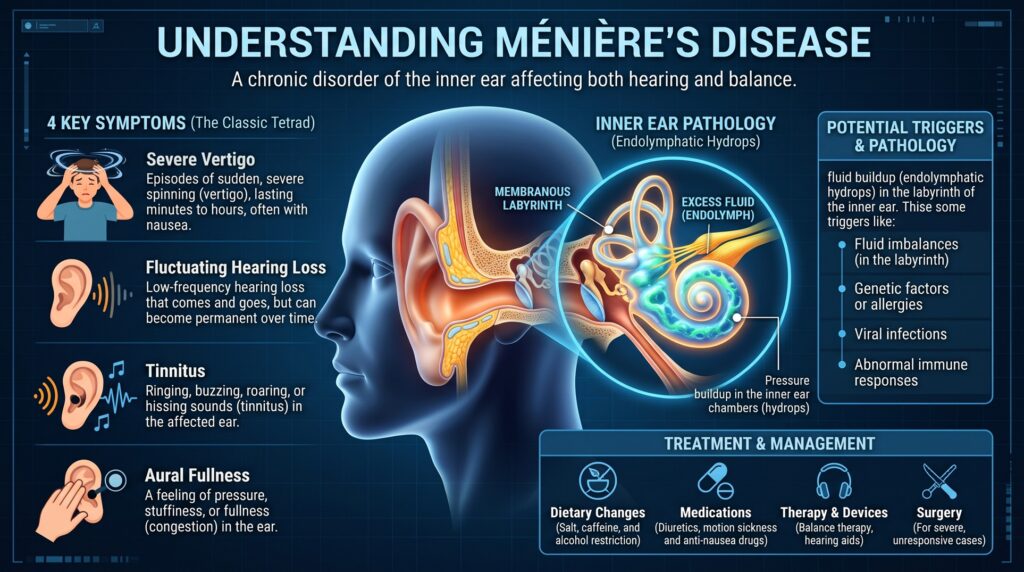
Experiencing sudden, debilitating attacks of vertigo, accompanied by a ringing in your ears and fluctuating hearing loss, can be profoundly disorienting. You might find yourself struggling with balance, feeling a persistent pressure in one ear, and wondering about the underlying cause of these distressing sensations. This combination of symptoms points to Meniere’s disease, a chronic inner ear condition that significantly impacts the daily lives of those affected.
-
- Ménière’s syndrome
- Idiopathic endolymphatic hydrops
- Endolymphatic hydrops (often used synonymously, though hydrops can sometimes have a known secondary cause)
Recognizing the complex nature of Meniere’s disease, from its mysterious origins to its varied manifestations, is the first step toward managing its impact. You can explore the current scientific understanding of what triggers these episodes, delving into theories ranging from fluid imbalances within the inner ear to potential genetic predispositions. Recognizing the specific symptoms you are experiencing helps differentiate Meniere’s from other vestibular disorders, allowing for a more targeted approach to care.
Managing Meniere’s disease often involves a multi-faceted approach, combining conventional medical interventions with complementary therapies. You will discover how traditional treatments aim to alleviate symptoms and reduce the frequency of attacks, alongside holistic methods like acupuncture and homeopathy, which many individuals find effective in providing relief and improving overall well-being. These natural approaches focus on addressing the body’s balance and reducing inflammation, offering additional avenues for symptom management.
Key Takeaways:
- Meniere’s disease is a chronic inner ear disorder, characterized by a specific set of symptoms, including vertigo, tinnitus, hearing loss, and aural fullness.
- The exact cause of Meniere’s disease remains unknown, though it is often associated with an abnormal buildup of fluid (endolymph) in the inner ear.
- Symptoms typically manifest in unpredictable episodes, varying in intensity and duration among individuals, making consistent management challenging.
- Conventional treatments focus on symptom management and can include medications like diuretics or anti-nausea drugs and, in some cases, surgical interventions.
- Dietary modifications, particularly reducing sodium intake, frequently help in managing fluid balance within the inner ear, potentially lessening symptom severity.
- Acupuncture has demonstrated efficacy as a natural treatment, with practitioners targeting specific points to alleviate vertigo and associated discomfort.
- Homeopathy offers another natural treatment pathway, utilizing highly diluted substances to stimulate the body’s healing response and address Meniere’s symptoms.
What Is Ménière’s syndrome?
Meniere’s disease is a chronic disorder impacting the inner ear, specifically affecting your balance and hearing. This condition arises from an abnormal fluid buildup in the labyrinth, the intricate system of fluid-filled channels and sacs within your inner ear. The labyrinth houses structures crucial for both hearing (the cochlea) and balance (the semicircular canals and otolith organs). When the fluid, known as endolymph, accumulates excessively, it disrupts the normal signaling pathways to your brain, leading to a constellation of debilitating symptoms. The pressure changes caused by this hydrops can distort sound perception and send erroneous balance signals, profoundly impacting your daily life.
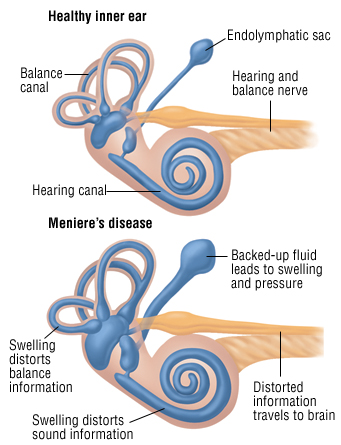
You experience distinct episodes rather than a constant state of symptoms, a hallmark characteristic of Meniere’s disease. These episodes can vary significantly in intensity and duration, sometimes lasting for 20 minutes and at other times extending for several hours. The unpredictable nature of these attacks presents a considerable challenge, as you may find yourself incapacitated without warning. Between episodes, you might experience periods of remission, where symptoms are minimal or entirely absent, only for them to return with varying severity. Over time, the cumulative effect of these episodes can lead to progressive and permanent damage to the delicate structures of the inner ear.
Recognizing the specific impact on your inner ear is key to understanding this condition. The excessive endolymphatic fluid pressure directly impinges on the hair cells within the cochlea and vestibular organs, which are responsible for converting sound vibrations and head movements into electrical signals for the brain. This mechanical distortion prevents these cells from functioning correctly, resulting in the characteristic symptoms you experience. The disease typically affects only one ear, though bilateral involvement can occur in a smaller percentage of individuals, complicating management and increasing the severity of the overall condition.
- Meniere’s disease is a chronic condition, meaning it is long-lasting.
- The condition primarily affects the inner ear’s fluid balance.
- Symptoms manifest as unpredictable, episodic attacks.
- The disorder can lead to progressive hearing loss over time.
- It commonly affects adults, typically between 40 and 60 years old.
Causes of Idiopathic Endolymphatic Hydrops
Understanding Endolymphatic Hydrops
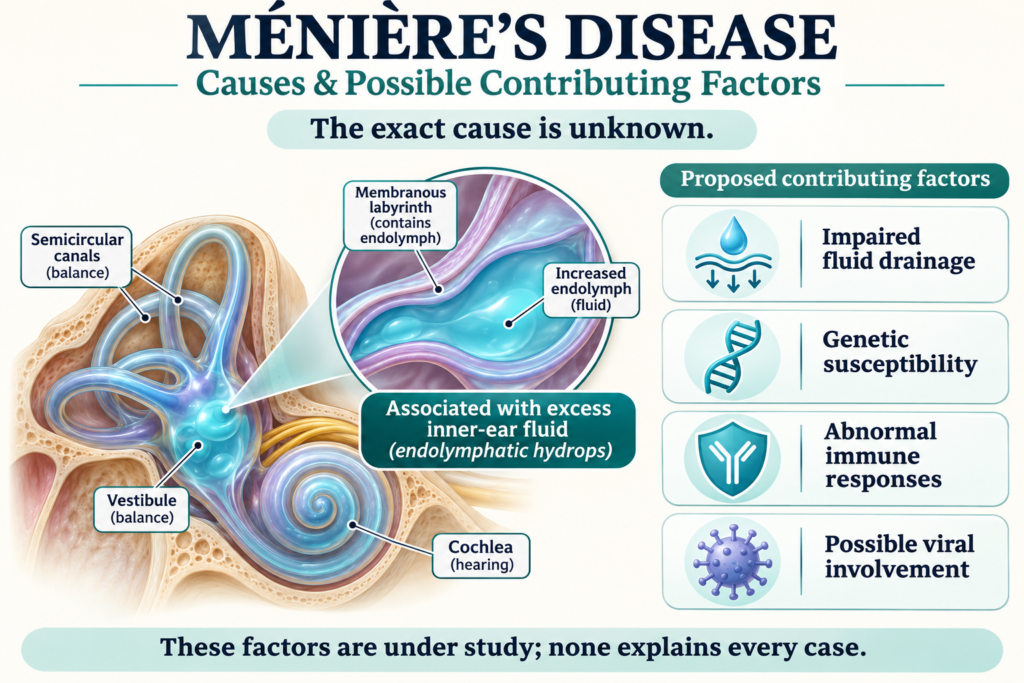
You experience the disruptive symptoms of Meniere’s disease primarily due to endolymphatic hydrops, a condition characterized by an abnormal accumulation of endolymphatic fluid within the inner ear’s labyrinth. This fluid buildup increases pressure on the delicate structures responsible for hearing and balance, specifically the cochlea and vestibular organs. While the precise mechanism triggering this overproduction or impaired reabsorption of fluid remains an area of ongoing research, a consensus points to a multifactorial origin rather than a single definitive cause. This understanding helps guide diagnostic approaches, as clinicians often look for a confluence of contributing elements rather than a singular identifiable trigger.
Genetic Predisposition and Viral Connections
Genetic factors may play a role in your susceptibility to Meniere’s disease, as a family history of the condition increases your risk. While not strictly hereditary in a Mendelian sense, certain genetic predispositions can influence the inner ear’s fluid regulation or immune response. Additionally, viral infections, particularly those affecting the inner ear (such as herpes simplex virus), have been implicated as potential triggers. These infections could lead to inflammation and damage within the labyrinth, disrupting normal fluid dynamics and contributing to hydrops. For example, some individuals report the onset of Meniere’s symptoms following a severe viral illness.
| Category of Factor | Example Contributor |
|---|---|
| Fluid Dynamics | Endolymphatic sac dysfunction |
| Genetic Influence | Family history of Meniere’s |
| Infectious Agents | Previous viral infections (e.g., herpes) |
| Immune Response | Autoimmune inner ear disease |
Other Potential Contributors
Several other factors are considered potential contributors to the development or exacerbation of Meniere’s disease. You might observe that allergies, both environmental and food-related, can inflame the inner ear, thus influencing fluid pressure. Migraines also show a strong comorbidity with Meniere’s, suggesting a shared underlying pathophysiology related to vascular or neurological dysfunction. Head trauma, particularly injuries affecting the temporal bone, represents another possible cause by directly damaging the inner ear structures or disrupting their delicate fluid balance. Even certain autoimmune disorders, where your body’s immune system mistakenly attacks its tissues, can target the inner ear, leading to inflammation and endolymphatic hydrops.
Symptoms of Meniere’s Disease
Episodic Manifestations
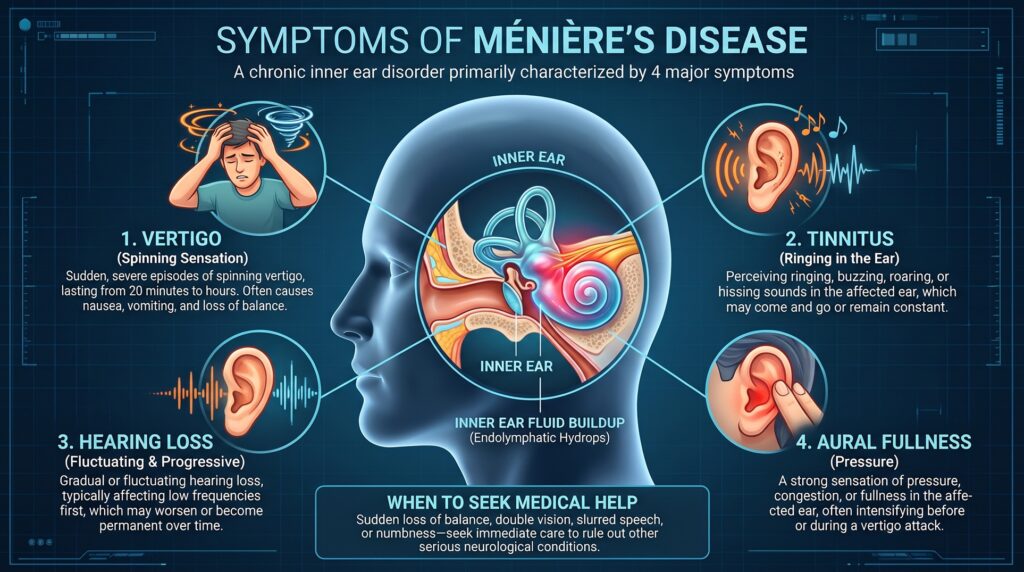
Living with Meniere’s disease often means contending with unpredictable and debilitating episodes. You might experience sudden onset vertigo, a sensation of spinning that can be so intense it causes you to lose your balance and fall. These dizzy spells often come with nausea and vomiting, which can make normal activities impossible during an attack. The duration of these episodes varies considerably, lasting anywhere from 20 minutes to several hours, sometimes even a full day. You may observe that these attacks occur in clusters, with periods of remission in between, or they might strike with no discernible pattern, complicating daily planning and routines. The severity of these attacks can also fluctuate, from mild dizziness to severe rotational vertigo requiring complete rest.
Auditory Disturbances
Beyond the disorienting vertigo, Meniere’s disease significantly impacts your hearing, typically affecting only one ear in the early stages, though it can progress to both. You may notice fluctuating hearing loss, where your ability to hear sounds, particularly low frequencies, diminishes during an episode and then partially or fully recovers afterward. This auditory symptom is often described as a feeling of fullness or pressure deep within the affected ear, akin to water being trapped after swimming. Tinnitus, a persistent ringing, buzzing, roaring, or hissing sound, is another common companion to these episodes, often intensifying before or during an attack. The specific characteristics of your tinnitus can vary; some individuals report a low-pitched roar, while others hear a high-pitched whine.
Progressive Impact
Over time, the cumulative effect of these episodes can lead to more permanent changes in your auditory function. You might observe that the fluctuating hearing loss eventually becomes more consistent, with less recovery between attacks, leading to progressive sensorineural hearing loss in the affected ear. Distorted hearing, where sounds seem muffled or off-key, can also become a persistent issue, making it difficult to understand speech, particularly in noisy environments. The chronic presence of symptoms like persistent tinnitus or a continuous feeling of aural fullness can impact your quality of life significantly, even during periods without acute vertigo. The long-term progression of the disease varies greatly among individuals, but for many, it involves an increasing severity of hearing-related symptoms.
- Aural pressure often precedes vertigo.
- Vertigo can induce significant fatigue.
- Headaches sometimes accompany Meniere’s episodes.
- “Drop attacks” (Tumarkin’s otolithic crisis) can occur in later stages.
Treatment for Meniere’s Disease
Managing Meniere’s disease often requires a multifaceted approach, tailored to your specific symptoms and their severity. You will find that treatment strategies generally aim to reduce the frequency and intensity of vertigo attacks, alleviate tinnitus and aural fullness, and preserve hearing function. This involves addressing the underlying fluid imbalance within the inner ear, which is thought to contribute to the condition’s manifestations.
Your physician will typically recommend a combination of interventions, ranging from lifestyle modifications to medical therapies and, in some instances, surgical procedures. The initial steps usually focus on conservative measures, attempting to control symptoms with minimal invasiveness. Understanding these various options allows you to collaborate effectively with your healthcare provider in developing a personalized management plan.
Often, the effectiveness of any treatment is evaluated based on your reported symptom relief and any improvements in audiometric test results. What works for one person may not work for another, highlighting the need for individualized care. Regular monitoring and adjustments to your treatment regimen are common, as the disease can fluctuate over time.
Conventional Treatment for Meniere’s Disease
Conventional medical approaches for Meniere’s disease primarily focus on symptom control and preventing disease progression. You will likely first encounter recommendations for dietary changes, particularly a low-sodium diet, which aims to reduce fluid retention in the body and, by extension, within the inner ear’s endolymphatic sac. Diuretics, medications that help your body excrete excess fluid, are frequently prescribed to complement these dietary adjustments.
During acute vertigo attacks, you may be prescribed medications to alleviate the immediate symptoms. These often include anti-nausea drugs (antiemetics) to control vomiting and vestibular suppressants, such as benzodiazepines, which can reduce the sensation of spinning. These medications offer temporary relief but do not address the underlying cause of the attacks.
When conservative measures prove insufficient, more invasive conventional treatments may be considered. You might discuss options such as intratympanic injections, where corticosteroids or gentamicin are administered directly into the middle ear. Gentamicin, an ototoxic antibiotic, works by ablating vestibular hair cells, thereby reducing vertigo, though it carries a risk of hearing loss. Surgical interventions, such as endolymphatic sac decompression or vestibular neurectomy, are typically reserved for severe, debilitating cases that do not respond to other treatments.
| Treatment Type | Primary Goal | Delivery Method |
|---|---|---|
| Low-Sodium Diet | Reduce fluid retention | Dietary modification |
| Diuretics | Increase fluid excretion | Oral medication |
| Antiemetics/Vestibular Suppressants | Control acute symptoms. | Oral medication |
| Intratympanic Injections | Reduce vertigo/inflammation | Direct ear injection |
| Surgery | Decompress the inner ear/ablate the nerve. | Invasive procedure |
Holistic Treatments for Meniere’s Disease
Holistic approaches to Meniere’s disease consider your entire well-being, aiming to address potential systemic imbalances that may contribute to your symptoms. You will find that these methods often emphasize lifestyle modifications beyond just diet, including stress management techniques. Chronic stress can exacerbate Meniere’s symptoms, and practices like meditation, yoga, or deep breathing exercises can help mitigate its impact on your inner ear health.
Nutritional therapy extends beyond sodium restriction, exploring the role of other dietary factors and potential deficiencies. You might investigate the impact of caffeine, alcohol, and certain allergens, as these can sometimes trigger or worsen symptoms in susceptible individuals. Supplementation with magnesium, B vitamins, or ginkgo biloba is sometimes suggested to support overall neurological and circulatory health, though scientific evidence for their direct impact on Meniere’s is still developing.
Many individuals explore complementary therapies such as craniosacral therapy or chiropractic adjustments, believing that subtle structural imbalances in the head and neck may influence fluid dynamics or nerve function related to the inner ear. While these therapies are generally considered low-risk, their efficacy for Meniere’s disease specifically is not universally recognized in conventional medicine. You should always discuss these options with your healthcare provider.
Homeopathic Treatment for Meniere’s Disease
Homeopathic treatment for Meniere’s disease focuses on highly individualized remedies, selected based on your unique symptom presentation and constitutional type. You would consult a homeopathic practitioner who conducts a thorough intake, gathering details not only about your vertigo, tinnitus, and hearing loss but also about your general health, emotional state, and specific triggers for your attacks. This comprehensive assessment guides the selection of a single remedy.
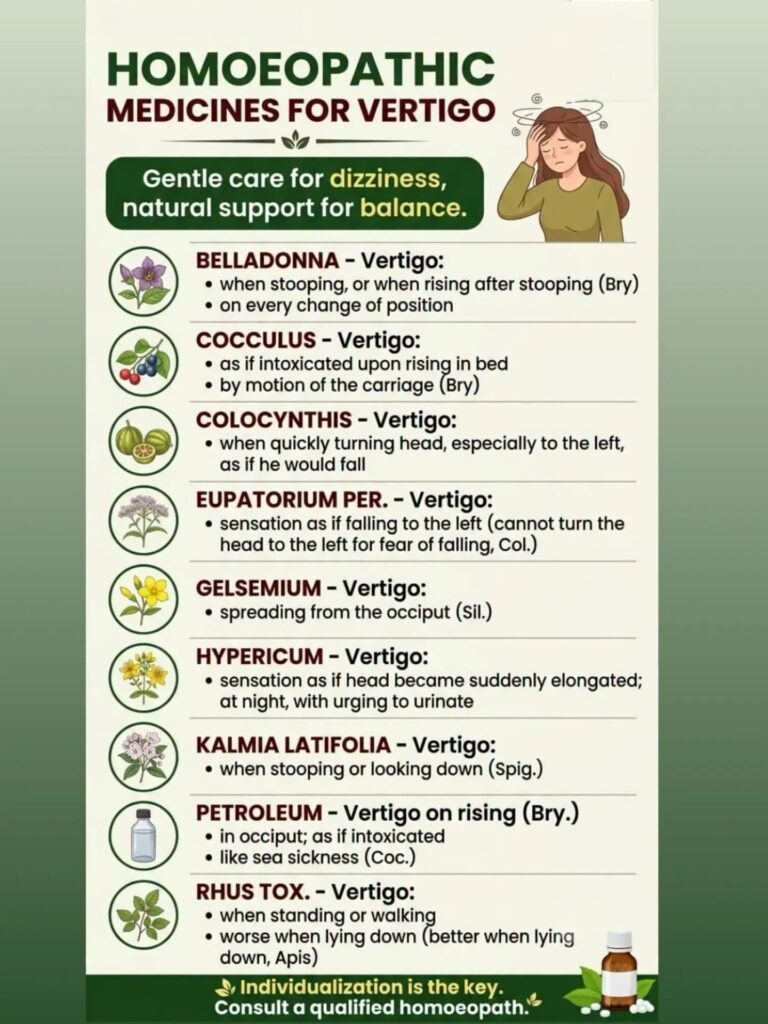

Commonly used homeopathic remedies for Meniere’s disease symptoms include *Conium* for vertigo aggravated by turning the head, *Chininum sulphuricum* for ringing in the ears with hearing loss, and *Theridion* for vertigo worsened by noise. The principle behind homeopathy is “like cures like,” meaning a substance that causes symptoms in a healthy person is used in highly diluted form to treat similar symptoms in a sick person. You will find remedies are prepared through a process of serial dilution and succussion (vigorous shaking).
Homeopathic treatment aims to stimulate your body’s self-healing mechanisms, rather than suppressing symptoms directly. You might take a prescribed remedy in pellet or liquid form, with instructions for frequency and dosage based on your individual response. Many individuals consider homeopathy a gentle and effective natural treatment for Meniere’s disease, particularly for reducing the frequency and intensity of vertigo attacks without side effects associated with some conventional medications.
Acupuncture for Meniere’s Disease
Acupuncture, a traditional Chinese medicine technique, is often considered a highly effective natural treatment for Meniere’s disease, addressing both acute symptoms and underlying imbalances. You would typically undergo a series of sessions where fine needles are inserted into specific points on the body, known as acupoints. These points are believed to lie along meridians or energy pathways, and stimulating them helps to restore the flow of vital energy, or Qi (pronounced “chee”).
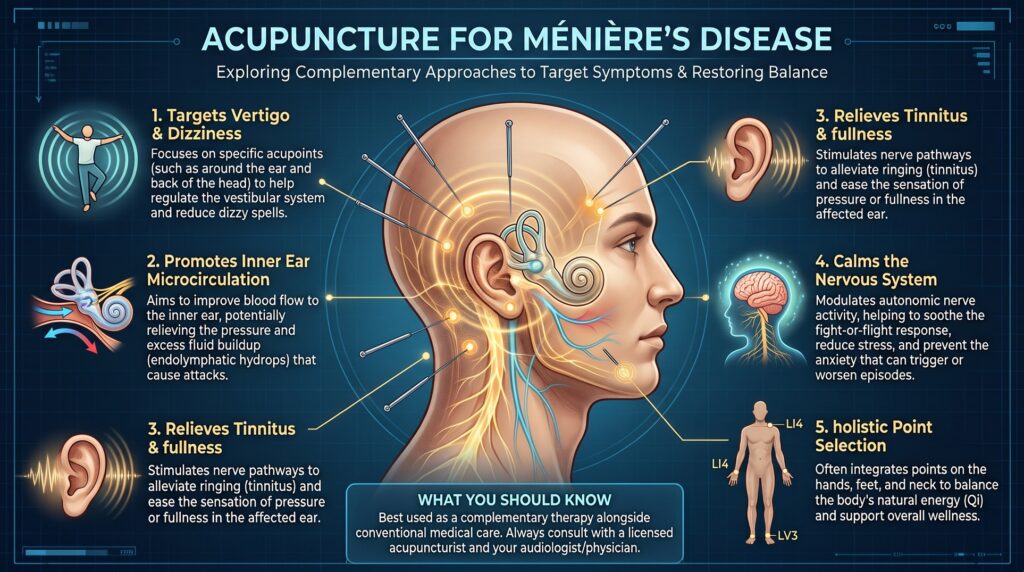
For Meniere’s disease, acupuncture practitioners often target points associated with the ear, head, and systems that regulate fluid metabolism and reduce inflammation. Points around the ear, such as those in the auricular region (auricular acupuncture), are frequently used to directly influence inner ear function and alleviate symptoms like tinnitus and aural fullness. Distal points on the limbs, for example, might be chosen to address systemic imbalances like liver Qi stagnation or dampness accumulation, which are thought to contribute to the condition.
Many individuals report significant relief from vertigo, a reduction in tinnitus intensity, and an overall improvement in quality of life with regular acupuncture treatments. You may find that acupuncture helps manage current symptoms and works to prevent future attacks by promoting a more balanced internal environment. The treatment is generally well-tolerated, with minimal side effects, making it an attractive option for those seeking non-pharmacological interventions for Meniere’s disease.
Conclusion
Living with Meniere’s disease presents unique challenges, yet understanding its multifaceted nature—from the suspected role of endolymphatic hydrops to the array of disruptive symptoms—empowers you to seek appropriate management. You have learned that the condition manifests through a classic triad of vertigo, tinnitus, and hearing loss, often accompanied by aural fullness. Recognizing these indicators early allows for a more proactive approach to diagnosis and treatment, potentially mitigating the long-term impact on your auditory function and overall quality of life. The unpredictable nature of attacks, fluctuating in intensity and duration, underscores the importance of a personalized treatment strategy tailored to your specific symptomatic profile and disease progression.
Conventional medical interventions offer various avenues for symptom control, ranging from dietary modifications, like sodium restriction, to pharmaceutical options aimed at managing acute vertigo or reducing fluid retention within the inner ear. You might explore diuretics or anti-vertigo medications as part of your treatment plan, often prescribed to alleviate the immediate discomfort of an attack. In cases where conservative measures prove insufficient, you may consider more invasive procedures, such as intratympanic injections or, as a last resort, surgical interventions like endolymphatic sac decompression or vestibular neurectomy. Your otolaryngologist will guide you through these choices, weighing the potential benefits against the risks associated with each approach.
Beyond conventional treatments, you have natural options that can significantly improve your well-being. Acupuncture, for instance, is often recognized for its potential in modulating the body’s energy flow and reducing inflammation, which may alleviate vertigo and tinnitus associated with Meniere’s disease. Similarly, homeopathy offers individualized remedies based on your unique symptom presentation, aiming to stimulate the body’s self-healing mechanisms. Many individuals find substantial relief and a better quality of life through these complementary therapies, particularly when integrated thoughtfully into a comprehensive care plan. Consulting with practitioners experienced in these modalities can help you determine the most suitable natural approaches for your specific needs.
FAQ
What is the typical cost of treating Meniere’s disease?
The cost of treating Meniere’s disease varies significantly depending on the type of treatment, medical insurance coverage, and the duration of therapy. Conventional medical interventions, such as medications or surgery, can be expensive, while holistic approaches like acupuncture or homeopathy may have different cost structures per session or course of treatment.
How long does it take to see improvement from Meniere’s disease treatments?
The time to see improvement from Meniere’s disease treatments varies widely among individuals and treatment types. Some people experience relief from symptoms relatively quickly with medication, while others pursuing holistic methods like acupuncture or homeopathy might require several weeks or months of consistent treatment to observe significant changes.
Are there any risks associated with Meniere’s disease treatments?
All treatments, conventional or holistic, carry some potential risks or side effects. Medications can have adverse reactions, and surgical procedures inherently involve risks like infection or further hearing loss. Holistic treatments, though generally considered safe, should always be administered by qualified practitioners to minimize any potential complications.
What are the most effective natural treatments for Meniere’s disease?
Acupuncture and homeopathy are considered two of the most effective natural treatments for Meniere’s disease. These methods aim to address the underlying imbalances contributing to the condition, with many individuals reporting a reduction in the frequency and severity of their symptoms.
What common mistakes should I avoid when managing Meniere’s disease?
A common mistake is self-diagnosing or self-treating without professional guidance. Another is discontinuing treatment prematurely, even if symptoms improve, as Meniere’s disease often requires ongoing management. Failing to adopt lifestyle changes, such as dietary modifications, can also hinder treatment effectiveness.
Are there alternatives if conventional Meniere’s disease treatments are not effective?
Yes, if conventional Meniere’s disease treatments are not effective, several alternative and complementary therapies can be explored. Holistic approaches like acupuncture, homeopathy, dietary adjustments, and stress management techniques offer different avenues for symptom relief and overall well-being.
Is treating Meniere’s disease worth the effort and expense?
For many individuals, treating Meniere’s disease is worth the effort and expense due to the significant impact it has on quality of life. Effective management can reduce the debilitating symptoms of vertigo, hearing loss, and tinnitus, allowing for a more stable and comfortable daily existence.
Acupuncture and Other Holistic Modalities for Meniere’s Disease at the Philadelphia Acupuncture Clinic
Natural treatments for Meniere’s disease are an effective way of relieving the discomfort, vertigo, tinnitus, and other symptoms associated with it. However, much information on the Internet is not always well documented or supported.
Contact the Philadelphia Acupuncture Clinic or schedule your appointment online for a holistic evaluation and treatment of Meniere’s disease.