
Gout
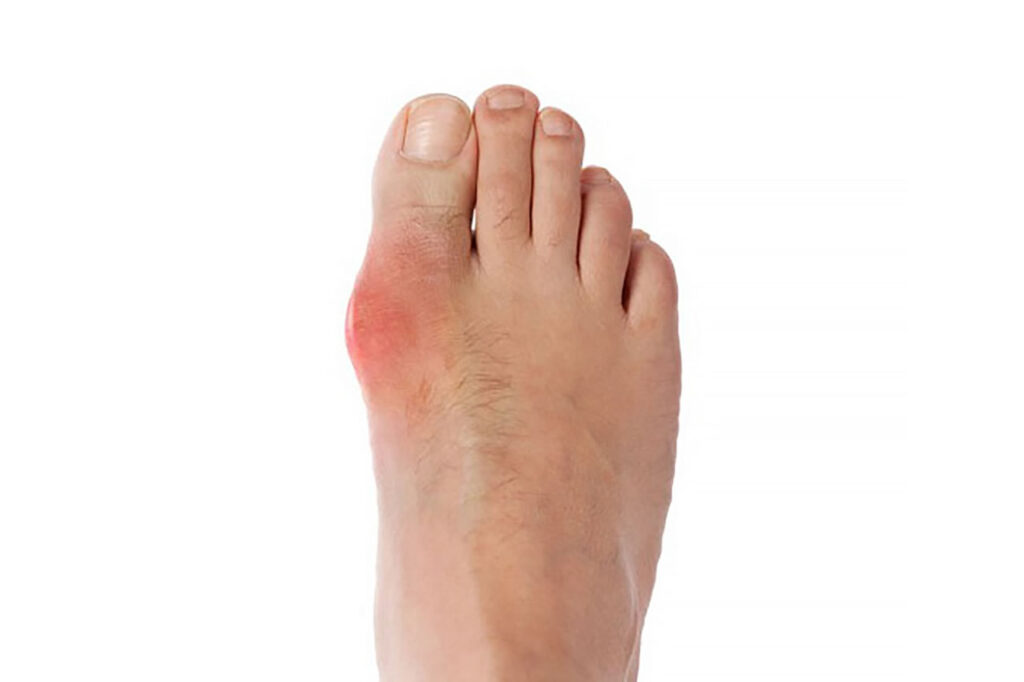
A sudden, throbbing pain in your big toe that wakes you from a sound sleep might feel like a freak accident, yet for millions it signals the arrival of gout, an intensely painful form of inflammatory arthritis. Gout, also known as gouty arthritis, podagra, the disease of kings, or the rich man’s disease. Your body is reacting to a buildup of urate crystals that form when uric acid levels in your blood become too high, a condition known as hyperuricemia. These microscopic, needle-sharp deposits can trigger an immune system flare, turning a joint into a swollen, crimson hotspot so tender that even the weight of a bedsheet becomes unbearable. Gout does not discriminate solely by lifestyle; its roots often intertwine with genetics, kidney function, and dietary patterns that have silently primed your system for an eventual crystal storm.
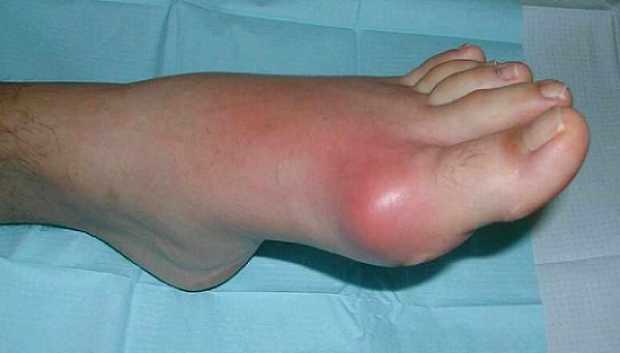
Uric acid, the offender at the center of this condition, is a natural waste product from the breakdown of purine compounds found in your body’s cells and in certain foods. Normally, uric acid dissolves in your blood, passes through your kidneys, and exits in urine. A disruption occurs when you either produce too much uric acid or your kidneys excrete too little, and at serum concentrations above 6.8 mg/dL, the blood becomes supersaturated, allowing monosodium urate crystals to precipitate into joints. While the big toe, known medically as podagra, is involved in over half of first-time attacks, these crystals can lodge in any joint, driven by cooler body temperatures at your extremities that favor their formation.
Navigating gout means understanding that a joint assault is merely the visible eruption of deeper metabolic currents. The first 24 hours of a flare bring swelling, heat, and incapacitating stiffness, after which symptoms may subside within days to weeks, lulling you into a false sense of resolution. Quiet periods between attacks do not mean the urate burden has vanished; silent crystal deposition can continue in your joints and soft tissues, risking chronic tophaceous gout with nodular lumps and permanent erosion. A holistic response blends medication to quench acute inflammation and lower uric acid with targeted dietary shifts, because the target is not just silencing pain but dissolving the crystalline architecture your biochemistry has built.
Key Takeaways:
- The root driver of gout is sustained hyperuricemia, where serum urate levels exceed the saturation point of 6.8 mg/dL, leading to the deposition of monosodium urate crystals in joints and tissues.
- A gout attack typically manifests with explosive pain, intense redness, and swelling, often striking the metatarsophalangeal joint at the base of the big toe in a condition called podagra.
- Beyond the big toe, urate crystals frequently settle in cooler, peripheral anatomical locations, including the midfoot, ankles, knees, wrists, and the olecranon bursa of the elbow.
- Dietary triggers like purine-rich red meat, shellfish, beer, and high-fructose corn syrup remain significant modifiers of urate levels, though endogenous production accounts for roughly two-thirds of the body’s uric acid load.
- Holistic interventions such as tart cherry extract can inhibit interleukin-1β and other inflammatory cytokines, offering a complementary path to reducing flare intensity alongside standard urate-lowering therapy.
- Applying ice for 20-minute intervals and resting the affected joint provide immediate mechanical relief during a flare, while long-term vitamin C intake of 500 mg daily promotes mild uricosuria.
- Manual therapies and acupuncture for gout arthritis target local blood flow modulation and pain-gate mechanisms, yet their role remains adjunctive to pharmacological control of the underlying metabolic disorder.
What Causes Gout?
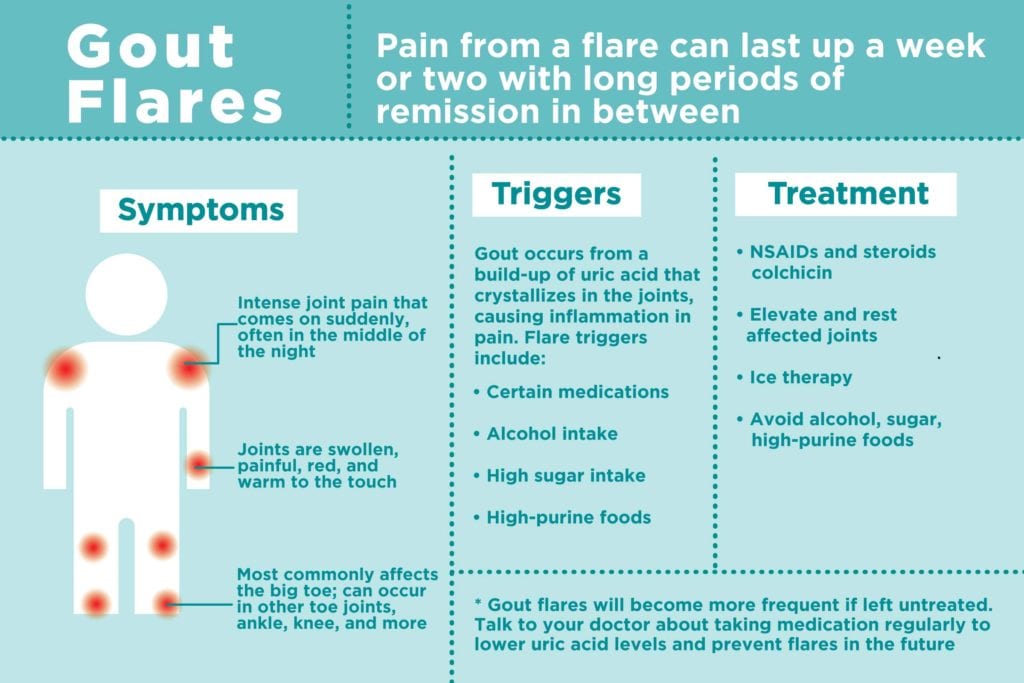 Your body produces uric acid as it breaks down purines, compounds found naturally in your tissues and in certain foods. Under normal circumstances, uric acid dissolves in the blood, travels to the kidneys, and exits through urine without incident. Gout develops when this balance fails, creating the conditions for a sudden and intensely painful attack.
Persistently high uric acid levels, medically termed hyperuricemia, set the stage for crystal formation. Not everyone with elevated uric acid will experience a gout attack, yet the risk climbs sharply once serum urate concentrations exceed the saturation point of 6.8 mg/dL. At this threshold, the blood can no longer hold uric acid in solution, and monosodium urate crystals begin precipitating into the joints.
These microscopic, needle-like structures trigger the hallmark inflammatory cascade of a gout attack. When your immune system identifies the crystals as foreign invaders, it releases a flood of inflammatory mediators, including interleukin-1β, causing the signature redness, swelling, and exquisite tenderness that characterize an acute flare. The process can transform a previously silent joint into a site of incapacitating pain within hours.
How uric acid buildup can lead to gout
Elevated uric acid alone does not guarantee crystal deposition, because factors like joint temperature and acidity influence whether precipitation occurs. Peripheral joints in the feet and hands tend to be cooler than the core body, which reduces urate solubility and makes them prime targets. A large toe joint dropping a few degrees overnight frequently becomes the first site where crystals accumulate unseen for months or years before provoking a first attack.
The silent deposition phase can persist without symptoms as urate crystals slowly coat cartilage and synovial tissue. A triggering event—such as a dietary splurge, dehydration, or a sudden illness—can then abruptly dislodge microcrystal clusters into the joint space. Within minutes, your body’s innate immune sensors, particularly the NLRP3 inflammasome, recognize the urate particles and initiate a self-amplifying storm of chemokines and prostaglandins.
Left unmanaged, repeated flares erode joint structures and create gritty, visible deposits called tophi. A 2022 review in the *American Journal of Medicine* indicates that without urate-lowering intervention, roughly one in five patients with hyperuricemia will develop palpable tophi within a decade. These chronically inflamed sites can ultimately compromise joint motion, damage bone integrity, and serve as persistent reservoirs for future attacks.
Common risk factors and triggers
Dietary choices exert a tangible influence on uric acid production, with purine-rich red meats, organ meats, and certain seafood like anchovies and sardines acting as potent drivers. Fructose, a sugar that accelerates purine degradation inside cells, directly raises urate levels when consumed in sugary beverages or high-fructose corn syrup. Alcohol, especially beer, increases urate production and reduces its renal excretion, making it a particularly powerful flare trigger.
Several common medications can inadvertently raise uric acid levels or provoke an acute attack. Thiazide diuretics prescribed for hypertension reduce renal urate clearance, while low-dose aspirin, often taken for cardiovascular protection, competes with uric acid for kidney transporters and may double flare frequency in susceptible individuals. Organ transplant recipients taking cyclosporine face an especially marked increase in hyperuricemia risk. Sudden weight loss, dehydration during hot weather, physical trauma to a joint, or even a routine infection can each tip a stable, crystal-laden joint into a full-blown inflammatory crisis.
- Consuming cherries or tart cherry juice twice daily lowered recurrent flare rates in a 2012 trial.
- Vitamin C supplementation of 500 mg per day modestly enhances urinary uric acid output.
- Genetics, including variants in the URAT1 transporter gene, can explain over 25% of serum urate variance.
- Men aged 40 to 60 and postmenopausal women form the highest incidence group.
Podagra Symptoms and Common Locations
Pain from a gout attack arrives with a suddenness that patients often describe as startling, frequently rousing them from deep sleep. The affected joint will feel warm to the touch and appear visibly swollen, draped in skin that can look shiny or red. A classic feature of the symptoms of gout is hypersensitivity; even the weight of a bedsheet can become unbearable against the inflamed tissue. The peak of the discomfort typically arrives within the first 8 to 12 hours, accompanied in some cases by a low-grade fever and a general sense of malaise that compounds the distress. An untreated mild episode may subside within a few days, while a severe flare can remain active for two weeks, leaving behind peeling skin as the swelling retreats.
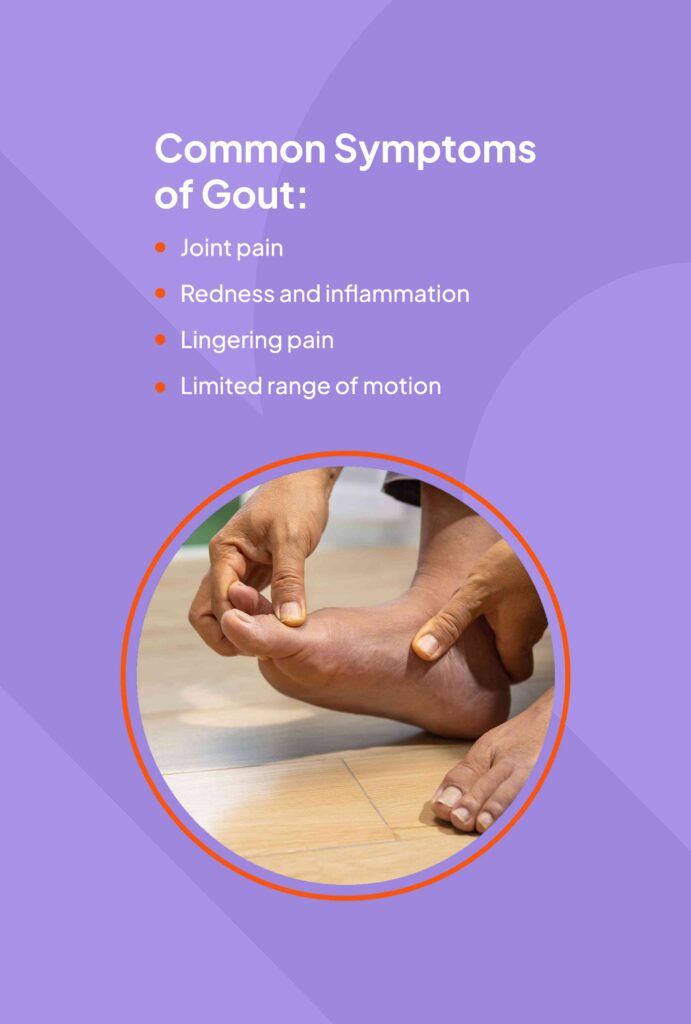
Systemic signs often foreshadow the joint-specific agony by several hours, presenting as a fleeting twinge, an unexplained restlessness, or an odd tingling around the knuckle of a big toe. Spotting these early warnings creates a short opportunity for hydration and rest to reduce the severity of the oncoming episode. Increased uric acid levels, often undetected for years, crystallize in the synovial fluid and trigger the body’s inflammatory cascade, which makes rapid intervention so valuable. Joints that have suffered previous injury or daily microtrauma, like a bunion deformity, serve as preferred deposition sites. A person dealing with the condition may also notice an elevated heart rate and localized warmth radiating from the site, measurable as a two-to-four-degree increase compared to surrounding skin when left untreated.
Natural treatments for gout frequently address this inflammatory phase by emphasizing cold therapy applied for 15-minute intervals and the immediate removal of alcohol and sugar-sweetened beverages. Chronic management shifts toward alkalizing the body with generous portions of leafy greens and cucumber, which help dissolve the monosodium urate shards at the root of the pain. Herbs for gout, such as devil’s claw and turmeric rhizome, exhibit an affinity for tempering the COX-2 enzyme, a mechanism parallel to pharmaceutical choices but with a broader safety margin for many individuals. Monitoring the frequency of episodes matters too, because a single event in a lifetime differs substantially from a pattern of recurrent attacks that erode cartilage over time. True resolution requires looking beyond the joint to the metabolic factors that perpetuate the cycle of deposition and inflammation.
Recognizing a podagra’s flare
Flares distinguish themselves from other forms of arthritis by their velocity, developing from a whisper of discomfort to incapacitating pain within a single overnight cycle. An affected metatarsophalangeal joint, the foundational site for most initial episodes, becomes so tender that bearing any weight provokes an immediate, searing response. The onset correlates strongly with a meal rich in red meat or shellfish, a period of dehydration, or a sudden spike in blood alcohol from beer, which is high in purine-loading guanosine. Unlike the symmetrical stiffness of rheumatoid arthritis, a gout attack is typically a one-sided affair at first, generating intense heat that you can map with the back of your hand to clearly delineate the borders of the inflamed joint.
Tophaceous deposits signal that the condition has progressed beyond intermittent flares into a sustained state of crystal accumulation beneath the skin and within deeper connective tissues. These chalky nodules, composed of aggregated urate encased in a collagen shell, can emerge on the helix of the ear, over the olecranon bursa of the elbow, or along the finger tendons. Homeopathy for gout addresses this stage with remedies selected for the patient’s specific pain quality, with modalities like Colchicum gaining attention when joints feel bruised and the pain worsens with the slightest motion. Patients often report that the skin overlying a tophus takes on a whitish or waxy sheen, a visual clue that precedes spontaneous drainage of the pasty crystalline material if the deposit faces repeated friction.
A diagnostic arthrocentesis, where synovial fluid is extracted and examined under polarized light microscopy, reveals the hallmark needle-shaped, negatively birefringent crystals that definitively separate gout from pseudogout or septic joint. Ayurveda for gout classifies these flares under the broader category of *vata-rakta*, attributing the sharp, migrating pain to a disturbance in the *vata* dosha combined with vitiated blood tissue. The treatment protocol involves oleation therapies with medicated oils like *Dashamula* to calm the nervous system response that amplifies the perception of pain with every heartbeat-like throb. A person with tophaceous gout, estimated at roughly 12,000 to 15,000 new cases of advanced disease annually in U.S. rheumatology clinics, requires sustained urate-lowering therapy to reverse the silent deposition that continues between visible attacks.
| Flare Stage | Clinical Signs | Holistic Support |
|---|---|---|
| Prodromal (Pre-Attack) | Tingling, stiffness, elevated skin temperature | Hydration, cherry extract concentrate, rest |
| Acute Flare (Peak) | Redness, exquisite tenderness, rapid swelling | Topical ice, devil’s claw tincture, celery seed tea |
| Resolution | Desquamation, residual ache, restored range | Gentle movement, alkalizing green juices |
| Intercritical (Silent) | No surface pain, ongoing crystal buildup | Dietary purine control, weight management |
Joints commonly affected
The first metatarsophalangeal joint at the base of the big toe, historically known as podagra, accounts for over half of all initial episodes and remains an iconic location for gout. This vulnerability stems from lower body temperature in the extremities and the constant pressure of ambulation, which creates a favorable environment for uric acid to precipitate out of solution. Sneaking up after a minor injury like stubbing a toe, the flare transforms a routine action into a vivid reminder of the metabolic imbalance at play. The midfoot and instep represent secondary targets in the foot, often mimicking the diffuse ache of a stress fracture until the characteristic erythema clarifies the diagnosis. You may notice a seasonal pattern, with winter months bringing an uptick in podagra flares as cooler ambient temperatures lower the saturation point of urate in peripheral tissues.
Beyond the lower extremities, urate crystals ascend to involve the ankle and the knee with a presentation that can mimic a septic joint, complete with a tense effusion that balloons the suprapatellar pouch. Gout common locations in the upper body include the olecranon bursa at the back of the elbow and, less often, the wrist and finger joints, particularly in older women on long-term diuretic therapy for hypertension. When multiple joints ignite simultaneously, a scenario termed polyarticular gout, the systemic disturbance is profound enough to cause shaking chills and a fever that spikes above 100.5°F. Distinguishing this condition from an autoimmune flare-up hinges on identifying the monosodium urate crystals, a task that even experienced clinicians sometimes need laboratory confirmation to resolve, especially when the spine or hip becomes an atypical host for crystal deposition.
Repeated attacks imprint a pattern that patients can often map with precision, noting how a left big toe flare preceded a right ankle episode by roughly a year in nearly 30% of recurring cases. Recognizing this migratory tendency underscores why effective management must transcend spot-treating a single joint and instead embrace systemic urate-lowering strategies. Lifestyle adjustments, including correct hydration to maintain a urine output above two liters daily and the incorporation of low-fat dairy proteins that exert a uricosuric effect, directly influence whether these crystal-prone sites remain silent. For persistent nodular growths that impinge on a nerve or cause difficulty with footwear, surgical excision becomes a practical consideration, though it serves as an anatomical solution rather than a metabolic cure. Each jointaffected tells a longitudinal story of the body’s struggle to clear a surplus of uric acid, a narrative you can read in the imaging that reveals the telltale overhanging edges of bone erosion years after the first attack subsides.
Podagra Treatment and Holistic Approaches
Medical care and pain management for gout
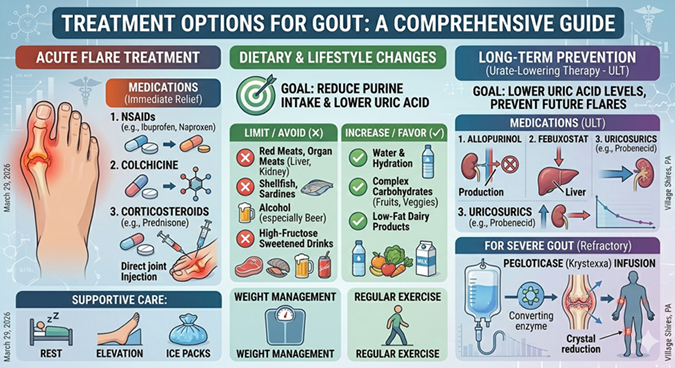
Resolving an acute gout attack centers on reducing inflammation and interrupting the pain cycle as quickly as possible. Oral nonsteroidal anti-inflammatory drugs, such as naproxen or indomethacin, are the first choice when taken at prescription-strength doses during the first 24 hours of symptom onset. Colchicine offers a narrower therapeutic window but remains a specific option, particularly when NSAIDs are contraindicated due to kidney concerns or stomach ulcers. Corticosteroids, delivered either as pills or an injection directly into the swollen joint, can quiet a severe flare within a day or two when other medications cannot be tolerated. Acting promptly at the earliest twinge of a gout attack often shortens the episode’s duration and lessens peak intensity.
Long-term urate-lowering therapy addresses the metabolic engine behind recurrent flares. Allopurinol and febuxostat, both xanthine oxidase inhibitors, reduce the body’s production of uric acid and are the pillars of chronic management. A target serum urate level below 6.0 mg/dL, and sometimes below 5.0 mg/dL for patients with tophi, guides dosing adjustments. Initiating this treatment during a quiet window matters because starting too close to a flare can temporarily worsen symptoms, a phenomenon your physician will preempt with a short prophylactic course of colchicine or low-dose NSAIDs. Sensible treatment for gout means not abandoning daily urate-lowering medication once you feel well; the crystal deposits that accumulated over years dissolve slowly and require consistent biochemical control.
Pain management extends beyond pharmaceuticals to include immediate physical measures. Applying an ice pack wrapped in a thin towel to the affected joint for 15-minute intervals constricts blood vessels, slowing the inflammatory cascade, while elevating the limb above heart level promotes fluid drainage away from the distended tissues. A common mistake involves applying heat, which vasodilates the area and intensifies the throbbing sensation synonymous with a gout attack. Resting the joint and protecting it from the pressure of bed sheets is equally practical; a simple bed cradle can keep fabric off an excruciating big toe throughout the night. These actions, timed alongside the first dose of anti-inflammatory medication, buy you a window of relative comfort during the worst hours of a flare.
Complementary approaches to gout and their limitations
Several non-prescription options circulate among patients searching for home remedies for gout pain, though their supporting evidence varies sharply in quality. Tart cherry juice concentrate has drawn the most scientific attention, with small observational studies noting a modest decline in flare frequency among people who consumed a daily ounce-equivalent over several months. The proposed mechanism involves anthocyanin compounds that may mildly inhibit the same inflammatory enzyme targeted by certain prescription drugs. Room-temperature water with freshly squeezed lemon juice is another widely shared gout remedy, predicated on the idea that citrate alkalizes urine and nudges uric acid toward dissolution. These strategies generally carry low risk, but expecting a glass of cherry juice to halt a raging gout attack sets an unrealistic benchmark for what a food-based intervention can accomplish.
Celery seed extract and bromelain, a pineapple-derived enzyme, surface frequently in holistic protocols that aim to lower systemic inflammation. A handful of animal models indicate that a specific celery seed compound, 3-n-butylphthalide, may dampen the local production of uric acid, yet no robust human trials have confirmed a predictable clinical benefit. Bromelain supplementation appears to blur the sharp edge of soft-tissue swelling in some users, though the dose and standardization across commercial products remain unregulated. Acupuncture for gout arthritis presents a similar pattern: session-based pain relief might stem from the release of endogenous opioids and the local needle stimulus diverting pain signaling, but the procedure does not lower serum urate. Relying on acupuncture to alter the disease trajectory will leave the underlying hyperuricemia wholly untouched.

Integrating these complementary tools demands a truthful look at what they cannot do. The limitations become stark when patients substitute a cherry concentrate regimen for urate-lowering medication, believing the natural product offers a safer, equivalent alternative. This choice merely allows monosodium urate crystals to keep accumulating silently in the synovial fluid and bone, eroding joint architecture until the next inevitable flare. Productive integration assigns these approaches a supporting role while maintaining the biochemical foundation of allopurinol or febuxostat. A practical layered plan might look like this:
- Daily prescribed urate-lowering therapy to maintain serum urate consistently below the crystallization threshold
- An ice-and-elevation protocol adopted within minutes of the first prodromal twinge
- Tart cherry or celery seed supplements are used as an adjunct between flares, never as a replacement for anti-inflammatory rescue medication
- Weekly body weight tracking to monitor one of the strongest non-pharmacological predictors of urate level fluctuations
- A predetermined schedule of serum urate testing every six months to verify that the chosen urate-lowering dose remains on target
Gout Diet and Lifestyle
Dietary management forms a cornerstone of gout treatment, targeting the underlying hyperuricemia that causes urate crystals to accumulate in joints. A sound eating pattern prioritizes reducing purine intake, since purines metabolize directly into uric acid, and also supports the kidneys’ ability to excrete excess urate. Research consistently links the Mediterranean and DASH (Dietary Approaches to Stop Hypertension) diets with lower serum uric acid levels and fewer gout flares, largely due to their emphasis on plant-based foods, whole grains, and lean protein sources. Cherry consumption, particularly tart cherries, has gained attention for its ability to lower uric acid and reduce inflammatory markers; a 2012 study in the journal Arthritis & Rheumatism found that patients consuming cherries over a two-day period had a 35% lower risk of gout attacks. Adequate hydration proves equally essential, with a daily water intake of 2 to 3 liters helping the kidneys flush out uric acid more efficiently than when the body is even mildly dehydrated.
Foods and drinks to limit
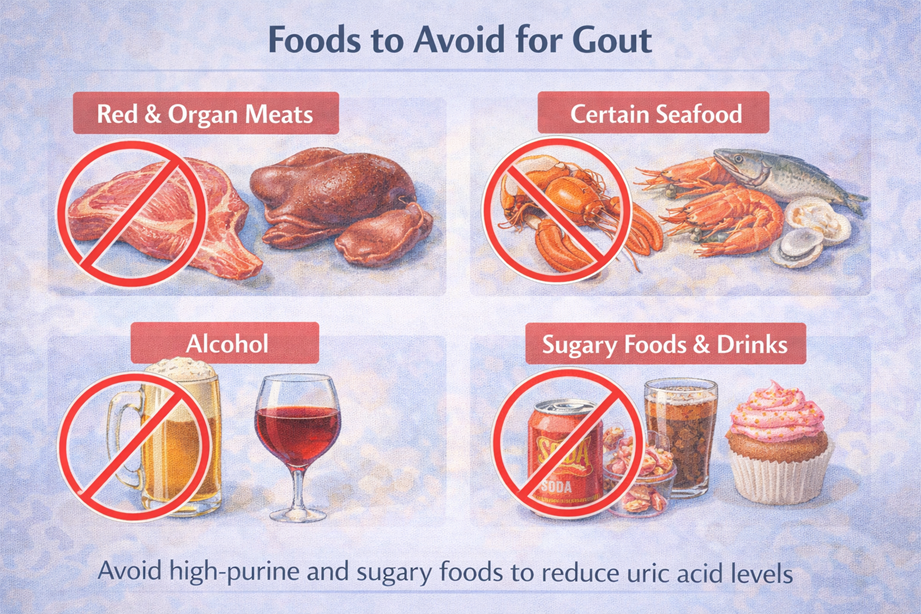
Red meats, organ cuts such as liver and kidney, and certain seafood rank among the highest-purine foods that trigger gout attacks. Sardines, anchovies, mussels, and scallops concentrate purines to levels that can spike serum uric acid within hours of a meal. A single serving of beef liver delivers over 300 milligrams of purines per 100 grams, compared to less than 100 milligrams in most poultry or fish options. Shellfish like shrimp and lobster also warrant restriction, though their purine load runs slightly lower than that of oily fish. Limiting these animal-based purine sources helps blunt the metabolic cascade producing crystalline deposits in the synovial fluid. Beef, pork, and lamb occupy a middle tier, where no more than one or two 3-ounce portions per week typically fit within a gout-conscious eating plan.
Alcohol, particularly beer and spirits, disrupts uric acid clearance by competing with renal excretion pathways and simultaneously accelerating purine breakdown. Beer delivers a double metabolic hit because its yeast content contributes additional purines while its alcohol content impairs kidney function. A 2020 analysis in the American Journal of Medicine linked consumption of two or more beers daily with a 2.5-fold increase in recurrent gout attacks compared with non-drinkers. Wine, especially at lower volumes, exhibits a less pronounced effect, though any alcohol can complicate urate control in susceptible individuals. Sugary beverages sweetened with high-fructose corn syrup represent another restricted category, since fructose metabolism generates uric acid as a byproduct within minutes of ingestion. Soft drinks, fruit juices with added sugar, and processed snacks containing fructose-sweetened syrups can elevate serum urate levels similarly to moderate-purine foods.
The table below outlines common purine concentrations across food and drink categories to guide daily choices:
| Category | Purine Level | Examples | Recommended Frequency |
|---|---|---|---|
| High-purine meats | Very high (above 200 mg/100 g) | Liver, kidney, sweetbreads | Avoid during flares; minimal otherwise. |
| High-purine seafood | Very high (150-300 mg/100 g) | Sardines, anchovies, mussels | Limit to rare occasions. |
| Moderate-purine meats | Moderate (100-150 mg/100 g) | Beef, pork, lamb, chicken | 1-2 servings per week |
| Alcohol | Variable; impairs excretion | Beer, spirits | Eliminate during acute gout; limit to occasional light wine. |
| Sugary drinks | No purines; fructose generates urate. | Soda, sweetened fruit juice | Replace with water or unsweetened options. |
Dietary habits that may support gout management

Low-fat dairy products provide a well-documented protective effect against gout, likely through proteins like casein and lactalbumin that enhance uric acid excretion. Consuming two to three servings of skim milk or plain yogurt daily correlated with roughly a 20% reduction in gout incidence among men in the Health Professionals Follow-Up Study. These dairy items supply calcium and vitamin D without the saturated fat that can exacerbate systemic inflammation, a key driver of flare severity. Plant-based proteins from lentils, beans, and tofu carry negligible purine loads compared to animal flesh, making them reliable protein substitutions during both remissions and active attacks. Legumes once faced suspicion under older dietary models, but contemporary evidence confirms their purine content does not raise serum urate to any clinically meaningful degree.
Coffee consumption emerges as another practical habit with measurable benefits. Caffeinated coffee, at an intake of four or more cups daily, lowered uric acid levels by promoting renal excretion rates that rival some low-dose pharmaceutical interventions. Even decaffeinated versions show a modest association with reduced gout risk, pointing to beneficial compounds beyond caffeine, such as chlorogenic acid and other polyphenols. Starting a morning with coffee instead of a sweetened orange juice swap exemplifies the small adjustments that cumulatively alter urate balance. Vitamin C supplementation of 500 milligrams per day demonstrated a slight but statistically significant uric acid-lowering effect in a 2011 meta-analysis, providing an accessible, low-cost complement to dietary changes, though whole foods like citrus fruits offer the same nutrient with additional fiber.
Weight management exerts a powerful influence on gout outcomes because adipose tissue generates uric acid and releases inflammatory cytokines. Losing just 5 to 10 percent of body weight can reduce serum urate by 0.5 to 1.0 milligrams per deciliter, a magnitude often sufficient to cross the saturation threshold where crystals begin dissolving. Caloric restriction should proceed gradually since rapid weight loss from fasting or very low-calorie diets transiently raises uric acid and can paradoxically trigger a flare. Structuring meals around vegetables, whole grains, nuts, and moderate amounts of eggs or poultry while avoiding processed snack foods creates an eating rhythm that simultaneously addresses hyperuricemia, hypertension, and insulin resistance. Sustaining these patterns over months rather than days is important because the effects of a urate-lowering diet plateau only after consistent adherence rebalances the body’s total purine pool.
Homeopathic Approach to Gout Management
Homeopathy is an alternative medical approach that stimulates the body’s own healing mechanisms by using extremely diluted chemicals. For an accurate diagnosis and course of therapy, it’s crucial to speak with a licensed homeopath or medical professional, even if some patients find relief from gout symptoms using homeopathic remedies. The following are some popular homeopathic treatments for gout symptoms:
Colchicum: This treatment is frequently suggested for severe joint pain and swelling, especially in the big toe, which gets worse with touch and movement. The afflicted joints may be hot and inflamed.
Bryonia: Bryonia is recommended for gout patients who have stinging, stabbing symptoms that get worse with even the smallest movement. There may be relief from pressure and warmth, as well as swelling, heat, and redness in the afflicted joints.
Ledum palustre: This treatment works well for gout that affects tiny joints, particularly the toes and ankles. The joints feel cold to the touch but improve better with cold treatments, and the pain may be ripping or shooting.
Urtica urens: Urtica urens is advised for gout that causes swelling, itching, burning, and stinging joint pains. When the symptoms are made worse by cold and better by warmth, it might be especially helpful.
Benzoic acid: Gout patients with foul-smelling urine and uric acid deposits in their joints, which cause excruciating pain and stiffness, are offered benzoic acid.
Guaiacum: Guaiacum is recommended for gout that causes joint swelling and stiffness, particularly in the ankles and knees. The affected areas may develop nodules or tophi, and the pain may be ripping or shooting.
It’s crucial to remember that homeopathic treatment is very customized, with the choice of remedies based on the patient’s unique constitution and symptoms. A skilled homeopath will perform a comprehensive assessment and choose the best treatment, or combination of treatments, for each individual’s particular situation.
Acupuncture for Gout
How Acupuncture Helps Manage Gout
- Alleviating Pain: Stimulates peripheral and central nervous pathways to release natural pain-relieving endorphins and bioactive substances.
- Reducing Inflammation: Promotes local blood circulation, which helps clear out tissue fluid buildup and decreases swelling and redness.
- Lowering Uric Acid: In Traditional Chinese Medicine (TCM), specific points target the spleen and kidneys to improve metabolic function and assist the body in excreting excess uric acid.
What to Expect During a Session
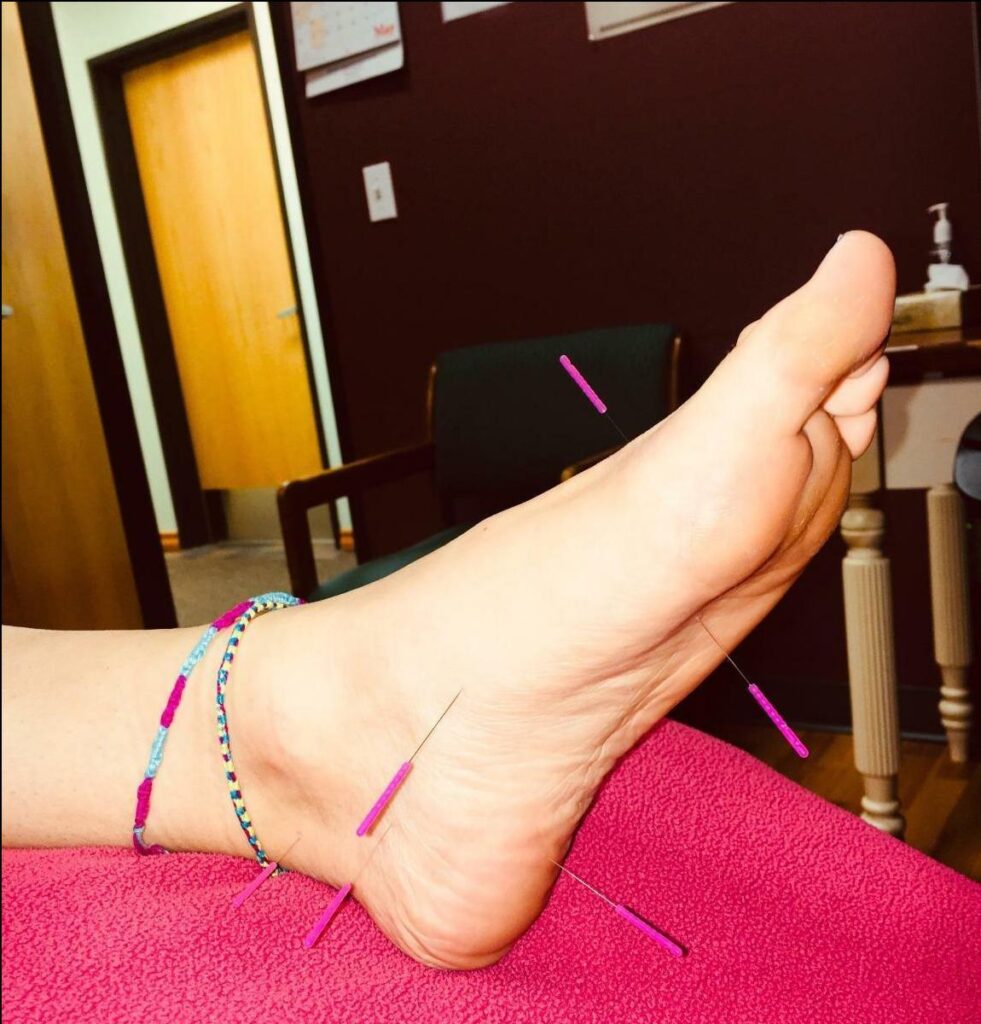
- Acupoint Selection: Fine, sterile needles are placed along specific energy pathways (meridians). For gout, practitioners typically target points on the hands, lower legs, calves, and ears.
- Surrounding the “Dragon”: To treat the acute flare itself, needles are placed in the tissue surrounding the swollen joint (like the big toe) rather than directly into the most painful spot.
- Modallities: A practitioner may use standard manual acupuncture, electroacupuncture (using a mild electrical current to enhance pain relief), or incorporate targeted cupping therapy on the back to reduce overall systemic tension.
- Duration: A typical session lasts between 20 and 40 minutes, often utilizing a warm heat lamp to promote circulation.
To wrap up
Managing gout effectively requires understanding that uric acid crystals can accumulate silently for years before that first excruciating flare announces their presence. Your body produces purines naturally, yet dietary sources from red meat, organ meats, certain seafood, and alcohol, especially beer, can push serum urate levels past the critical saturation point of approximately 6.8 mg/dL. A single episode in the big toe, medically termed podagra, accounts for half of all initial attacks, while ankles, knees, wrists, and fingers remain common secondary targets. Recognizing these patterns allows you to act before joint damage becomes permanent.
Medical intervention with NSAIDs like indomethacin, colchicine, or corticosteroids addresses acute inflammation, but long-term urate-lowering therapy such as allopurinol or febuxostat tackles the root cause when attacks recur more than twice yearly. A holistic framework integrates these pharmaceuticals with lifestyle adjustments that actively lower your baseline risk. Hydration serves as the simplest cornerstone, with consistent water intake diluting urinary uric acid concentration. Weight loss achieved gradually reduces endogenous purine production, and specific cherry consumption, particularly tart cherries, has demonstrated modest urate-lowering effects in clinical observations due to anthocyanin compounds that inhibit the xanthine oxidase enzyme pathway.
Identifying your personal trigger profile through a symptom journal creates a tailored prevention strategy that no generalized protocol can match. Some individuals react primarily to shellfish, while others flare after fructose-heavy beverages or dehydration from travel. Cold therapy and joint rest assist during acute phases, whereas warmth and gentle range-of-motion exercises support recovery as inflammation subsides. The overlap of gout with hypertension, diabetes, and kidney disease means that controlling serum urate not only preserves joint cartilage but often improves these interconnected metabolic indicators, with one condition’s management reinforcing the other’s stability.
FAQ

How long does it typically take to recover from a gout flare?
A gout flare usually peaks within 12 to 24 hours and then gradually resolves over 5 to 7 days, even without treatment. With prompt anti-inflammatory medication, such as NSAIDs or colchicine (under medical guidance), pain often eases significantly within 48 hours. Full recovery time can vary depending on the joint affected and how quickly treatment begins.
What are the most common mistakes people make when managing gout?
Many people stop taking urate-lowering medication once symptoms improve, which can trigger another flare. Another mistake is relying solely on dietary changes while ignoring prescribed medication when uric acid levels are high enough to require it. Avoiding all purine-rich foods indiscriminately, instead of focusing on those with the strongest links to gout, is also common.
Can acupuncture help relieve gout pain?
Acupuncture may offer temporary pain relief for some individuals by stimulating local blood flow and releasing endorphins, though robust clinical evidence specific to gout is lacking. It is generally considered a complementary option, not a replacement for acute medical treatment, and should be performed by a licensed practitioner aware of your condition to avoid needling directly into an inflamed joint.
Are natural remedies like herbs or homeopathy effective for gout?
Some herbs, such as celery seed or tart cherry extract, show modest potential in lowering uric acid or reducing inflammation in small studies, but their effects are mild compared to standard medications. Homeopathy lacks consistent scientific support for gout treatment and should not be used in place of proven therapies. Always consult a doctor before using natural remedies, as interactions with prescribed drugs can occur.
What does a gout attack feel like in the early stages?
Early signs often include sudden warmth, swelling, and tenderness in a joint, frequently starting at night with the big toe. The skin may appear red and shiny, and even light pressure from a bedsheet can cause intense pain. Prompt treatment at this stage may shorten the flare and reduce its severity.
How much does ongoing gout treatment cost without insurance?
Costs vary by country, but generic allopurinol or febuxostat (common urate-lowering drugs) can range from $10 to $50 per month out of pocket. Acute flare medications like colchicine or NSAIDs add extra expense, and specialty biologics for refractory gout can exceed several hundred dollars monthly. Manufacturer assistance programs or discounted pharmacy coupons may reduce these costs.
How long does it take for a gout tophi to dissolve with treatment?
Tophi, the chalky deposits that form under the skin in chronic gout, can take months to years to shrink after uric acid is consistently lowered below 6 mg/dL, often requiring 12 to 24 months or more for significant reduction. The rate depends on their size, number, and how strictly the target serum urate level is maintained. In some cases, surgical removal may be considered if the tophi cause functional problems.
Holistic Treatment for Gout in Philadelphia
At the Philadelphia Acupuncture Clinic, Victor Tsan combines traditional approaches with complementary techniques, including Acupuncture, Chinese herbal medicine and other holistic modalities where appropriate, providing a more complete treatment response than acupuncture alone can offer.
Philadelphia Acupuncture Clinic is located in Northeast Philadelphia and serves patients across the greater Philadelphia area. Consultations are available by appointment, and the clinic’s satisfaction policy means patients are not charged for their first session if they are not satisfied with the experience.
Call 267-403-3085 or visit this link to schedule your evaluation and acupuncture treatment.