
Yin and Yang Chinese Philosophy
Yin and yang appear throughout conversations about traditional Chinese medicine, yet the idea can feel abstract at first. In TCM, this duality is not simply a philosophical notion. It is a working framework that practitioners use to understand the body, identify patterns of illness, and choose appropriate treatments. The theory is fundamental to the practice of traditional Chinese medicine in terms of understanding, diagnosing, and treating health issues.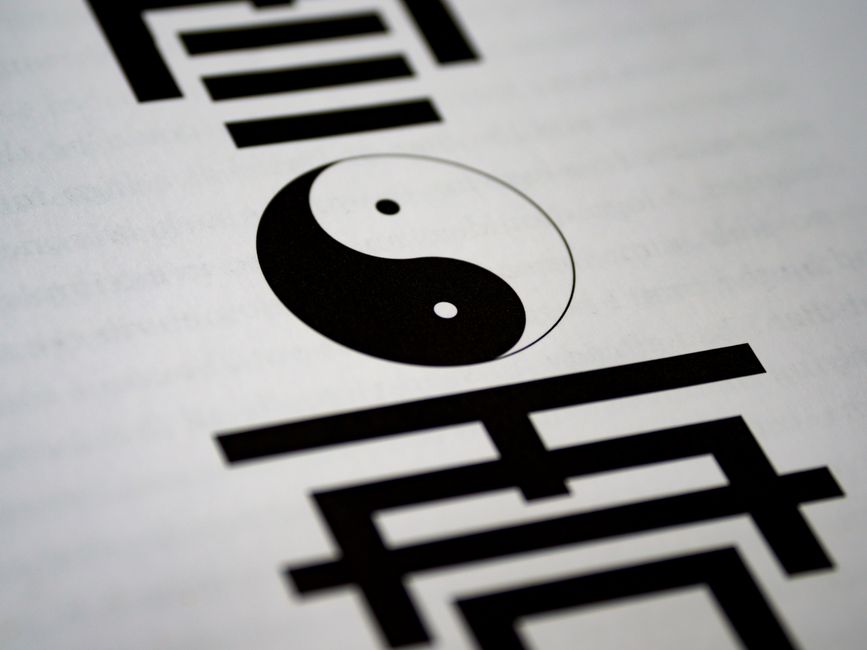
The most basic idea is also the deepest: two opposing qualities are constantly interacting inside every person. When they move together in harmony, the body tends to feel well. When one quality overpowers the other, discomfort and illness can follow.
What are Yin and Yang in Traditional Chinese Medicine?
In traditional Chinese medicine, these polarities describe paired forces that appear in every aspect of life and health. Yin is associated with qualities such as cold, dark, and passive. Yang is linked to warmth, light, and activity. Neither quality is good or bad on its own. Both are necessary, and each provides meaning to the other.
People often feel these forces directly. Yang energy makes one feel warm and inclined to act. Yin energy makes one feel cool and inclined to rest. A healthy daily rhythm naturally includes periods of movement driven by yang and periods of stillness driven by yin. Sleep, wakefulness, activity, and recovery all reflect this ongoing exchange.
Qualities of Yin
Yin represents the quieter, cooler, and more receptive side of life. In the body, yin is linked to the lower parts, including the pelvis and lower extremities. When yin is strong, a person may feel calm, cool, and able to settle down. Yin also relates to nourishment and the physical substance that supports daily function.
Qualities of Yang
Yang represents warmth, brightness, and movement. It fuels the desire to act, to move, and to engage with the world. When yang energy is healthy, a person feels warm and motivated. When yang is low, energy may drop, and the body may feel cooler than usual. Both yin and yang must be present for health to hold.
Balance, Opposition, and Constant Change of Yin and Yang
The yin-yang balance theory in traditional Chinese medicine emphasizes the interdependence and unity of opposites. Yin and yang are different, but they are not separate. They exist in relation to each other, much like day and night or rest and activity. In TCM, these polarities are believed to oppose, restrict, and repel each other when in conflict, yet they sometimes cooperate.
Their relationship is dynamic. Yin and yang are in constant flux, and small shifts occur naturally throughout the day and across the seasons. Problems appear when the shift becomes extreme. If one becomes unbalanced in the body, illness occurs. For example, because yin is cold, an excess of yin can create feelings of chill and sluggishness. An excess of yang, by contrast, might express itself through heat, restlessness, or excessive activity.
Restoring health, from a TCM perspective, involves helping these forces return to a more harmonious relationship rather than trying to eliminate one side altogether.

How Yin and Yang Show Up in the Body
Traditional Chinese medicine applies yin-yang thinking to anatomy, physiology, and symptoms. Yin is associated with the lower and deeper aspects of the body, while the relational framework also extends to how different regions and functions cooperate. Because yin relates to coolness and passivity, signs such as feeling cold, preferring warm drinks, and wanting to rest point toward a yin pattern. Because yang relates to warmth and action, signs such as feeling hot, feeling restless, and having abundant energy point toward a yang pattern.
Practitioners usually consider multiple symptoms. They gather information about temperature preference, energy levels, digestion, sleep, mood, and many other details. The pattern that emerges tells them whether the imbalance involves excess, deficiency, cold, heat, or some combination of these states.
How Practitioners Use Yin and Yang for Diagnosis
Diagnosis in traditional Chinese medicine rests on identifying which forces are out of balance and where the disharmony is located. A person who feels persistently cold and exhausted may be showing an excess of yin or a deficiency of yang. A person who feels hot, irritable, and restless may be showing an excess of yang or a deficiency of yin.
Because these patterns can be subtle, a practitioner considers the whole picture. The same symptom can appear in different people for different reasons. This is why traditional Chinese medicine relies on individualized evaluation rather than a fixed approach for everyone.
Restoring Yin and Yang Balance With TCM Treatments
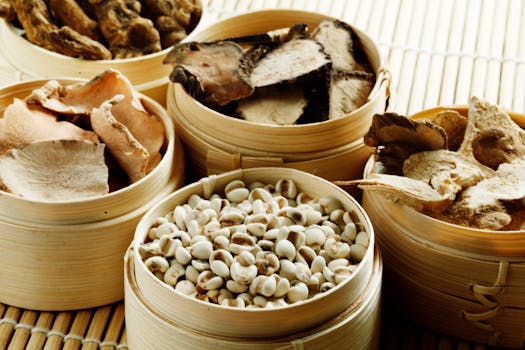
Traditional Chinese Medicine can offer complementary treatments based on personalized interventions, informed by knowledge accumulated from empirical experience over centuries. Treatment is tailored to the unique pattern each person presents. Common approaches include acupuncture, herbal therapy, dietary changes, and bodywork such as tui na massage.
The goal is not to force the body into a single state. It is to support the natural movement of yin and yang so the body can regulate itself again.
Food Therapy and Yin and Yang Foods
Chinese medicine nutrition is grounded in the belief that food is not only a source of sustenance but also a powerful tool for healing and maintaining health. In TCM, foods are not only categorized by their nutritional content; each food also has its own unique properties and therapeutic effects on the body. Yin and yang foods are used to help restore the yin-yang balance in the body.
Cooling foods are generally understood to support yin, while warming foods are understood to support yang. A practitioner may recommend certain foods based on whether a person needs to warm up, cool down, build nourishment, or encourage movement. The same food can be appropriate for one person and less helpful for another, depending on their current pattern.
Massage and Tui Na
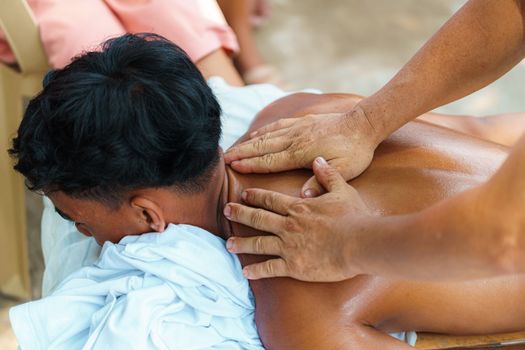
Bodywork also plays a role in restoring balance. Massage, known as tui na, is done on specific areas of the body or along particular pathways to influence the flow of energy and support the organs. Tui na techniques can be gentle or firmer depending on the goal. When yin and yang are out of balance, targeted bodywork helps release tension, improve circulation, and encourage the body to settle into a healthier state.
Yin and Yang in Modern Traditional Chinese Medicine Research
Contemporary researchers are studying yin-yang theory through the lens of modern science. One area of interest is the cellular redox balance, which involves opposing oxidation and reduction reactions inside cells. The yin-yang balance theory emphasizes the interdependence and unity of opposites, a concept that researchers see reflected in these biological systems.
This line of study helps connect ancient concepts with measurable processes in the body. It also points toward new possibilities, including digital innovation in traditional Chinese medicine. By studying how yin-yang patterns relate to physiology, researchers hope to refine diagnosis, personalize treatment, and integrate TCM more fully with other approaches to care.
For anyone curious about how these ideas apply in practice, the best step is to speak with a qualified traditional Chinese medicine provider. A practitioner can assess your unique pattern and explain which aspects of your daily life may be contributing to imbalance. In Philadelphia, integrative clinics offer this kind of care. For example, the Philadelphia Acupuncture Clinic is a holistic medical center that brings together certified providers offering traditional Chinese medicine, acupuncture, cupping therapy, reiki, homeopathy, and hypnotherapy under one roof. A personal consultation remains the most reliable way to understand how yin and yang are showing up in your body.
Frequently Asked Questions
How are yin and yang used in traditional Chinese medicine?
Yin and yang theory is fundamental to traditional Chinese medicine. Practitioners use it to understand, diagnose, and treat health issues by identifying patterns of imbalance. Because yin and yang are constantly shifting, treatment is individualized rather than identical for every patient. A care plan may include dietary guidance, tui na massage, acupuncture, herbal therapy, or other methods intended to help the body return to a balanced state.
How do I know if I am yin or yang?
Traditional Chinese medicine does not classify a person as entirely yin or entirely yang. Everyone carries both qualities within them. Yang energy tends to make a person feel warm and ready to take action, while yin energy tends to make a person feel cool and want to rest. A qualified TCM practitioner evaluates your overall symptoms, temperature patterns, energy levels, and other signs before recommending ways to restore harmony.
What happens when yin and yang are out of balance?
Yin and yang are in constant flux, so minor shifts are normal. When one becomes unbalanced in the body, illness can occur. Because yin is associated with cold, an excess of yin can lead to feelings of chill and fatigue. Because yang is linked to warmth and activity, an excess of yang may manifest as heat or restlessness. TCM treatment focuses on restoring balance rather than eliminating either force.
The best Yin and Yang acupuncture near me
You found the right place if you live in Philadelphia and are searching for the best acupuncturist near me.
The Philadelphia Acupuncture Clinic is the place where you can benefit from this type of therapy. The clinic embodies the finest traditions of community acupuncture in Philadelphia.
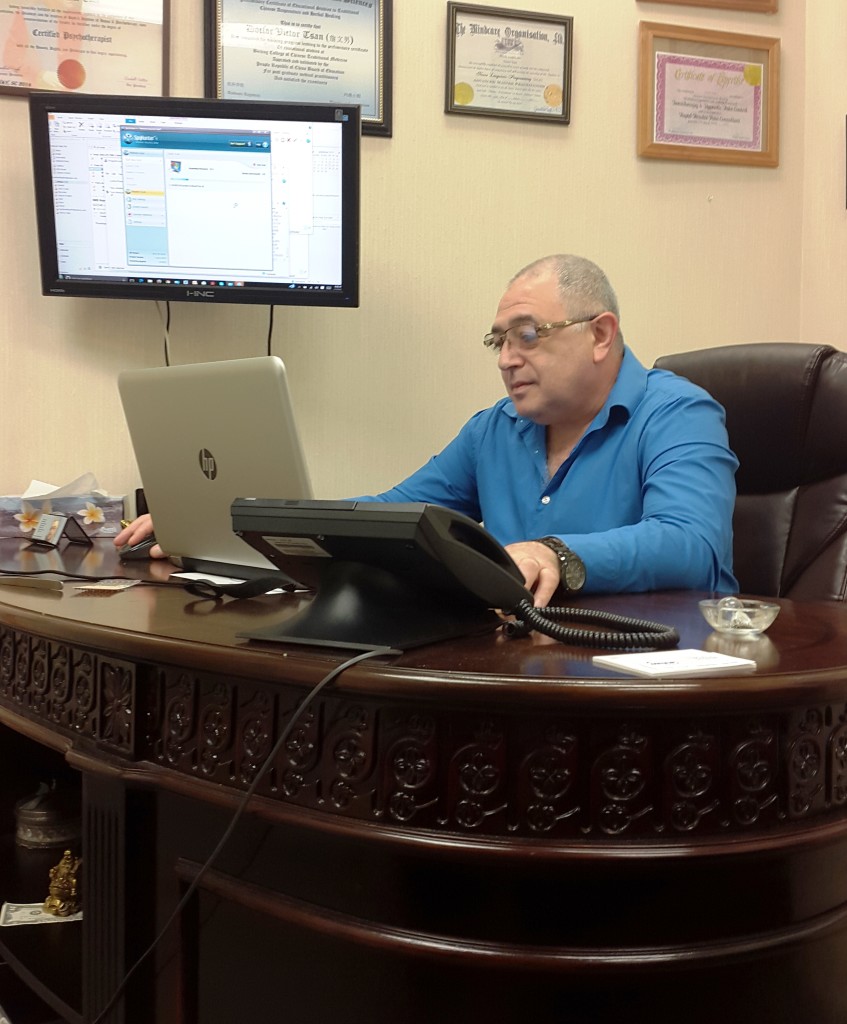
Dr. Tsan is a certified and accredited acupuncturist who specializes in integrative medicine. He is the medical director of the clinic and supervises all treatments. Under his strict supervision, you will benefit from the best acupuncture in Philadelphia. Your health is our top priority, and professionalism is the most important factor. We invite you to schedule an appointment and contact our clinic to benefit from Dr. Tsan’s extraordinary skills. You will be amazed at how well you feel after a few acupuncture sessions.
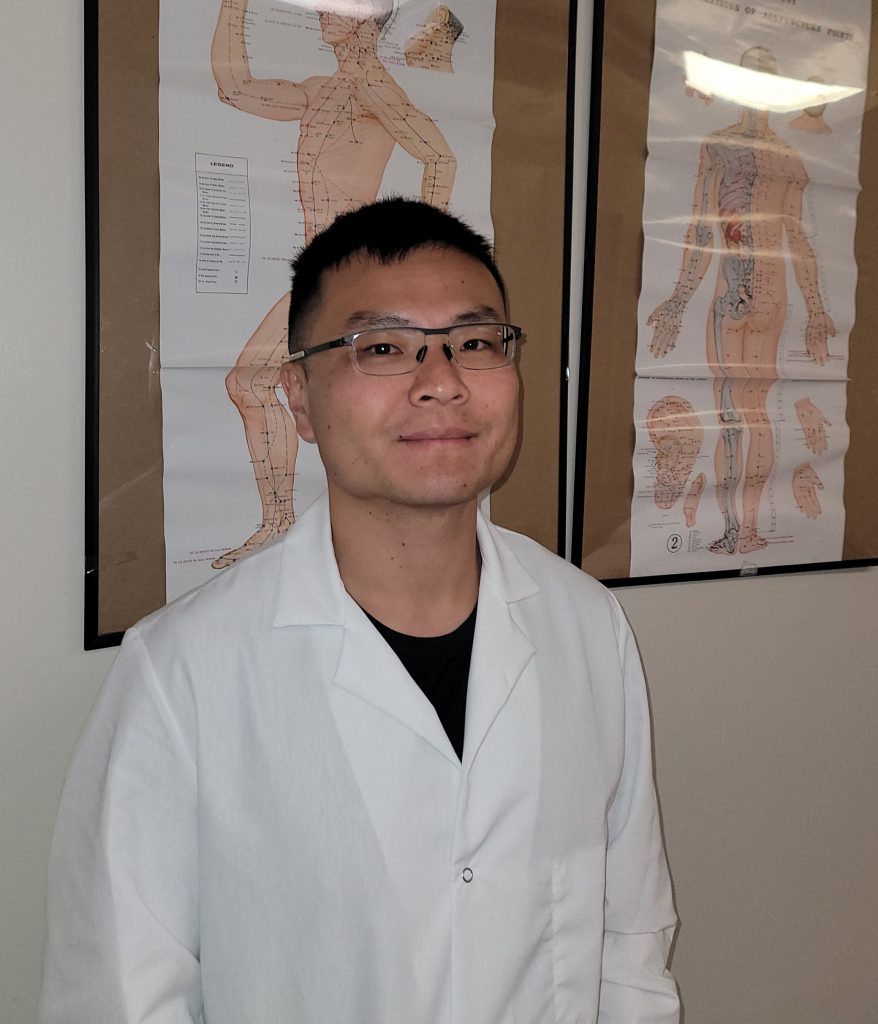
David Wu, LAc, is the acupuncturist at the Philadelphia Acupuncture Clinic. He is from a dynasty of acupuncture practitioners. The practitioner understands Chinese medical philosophy perfectly and has significant practical experience using acupuncture to treat various medical conditions.
To schedule an appointment for your initial visit and begin acupuncture treatment, please contact us at (267) 403-3085 or use our online scheduling application.