
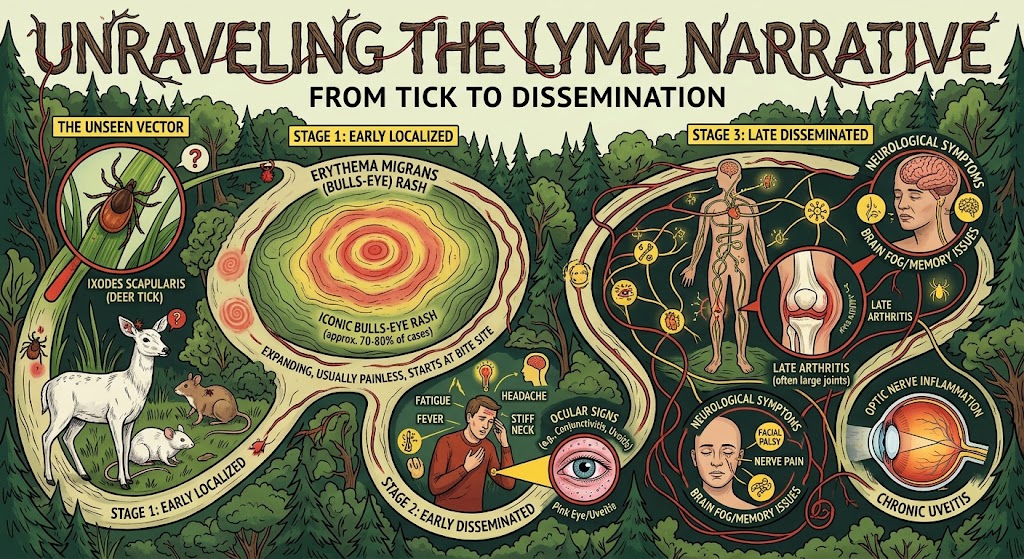
Lyme Disease
You’ve probably heard about Lyme disease, but do you really know what it is or how it could affect you? This complex condition, caused by the bacterium *Borrelia burgdorferi*, is transmitted to humans through the bite of infected black-legged ticks—commonly known as deer ticks. Cases have been rising, especially in the northeastern and upper midwestern United States, with the CDC estimating around 476,000 people diagnosed and treated for Lyme each year. If you spend time outdoors, walk through wooded or grassy areas, or live in or visit high-risk regions, you’re at increased risk. The illness can be tricky to diagnose because its symptoms often mimic other conditions, leading to confusion and delayed treatment. You’re not alone if you’re wondering how long it lasts, whether it’s curable, or what holistic options might help support recovery.
Key Takeaways:
- Lyme disease is caused by the bacterium *Borrelia burgdorferi*, transmitted to humans through the bite of infected black-legged ticks—commonly found in wooded and grassy areas.
- Early symptoms often include a distinctive bull’s-eye rash (erythema migrans), fever, fatigue, and joint pain, though not everyone develops the rash.
- The disease progresses in stages—early localized, early disseminated, and late persistent—and symptoms can worsen over time if untreated.
- While most cases respond well to antibiotics when caught early, some people experience lingering symptoms, referred to as post-treatment Lyme disease syndrome or chronic Lyme.
- Lyme disease isn’t contagious from person to person—it can’t be spread through touch, kissing, or sex—but pets can carry infected ticks into your environment.
- There is strong evidence that homeopathic remedies alone can cure chronic Lyme, and some patients report symptom relief with holistic supports like homeopathy, acupuncture herbal protocols, diet changes, and stress reduction.
What’s actually causing Lyme disease and all these troubles?
It’s the bacteria, not a virus.
Lyme disease doesn’t come from a virus, no matter how often that myth gets passed around. It’s caused by a spiral-shaped bacterium called *Borrelia burgdorferi* and, in rare cases, *Borrelia mayonii—both of which are true bacteria, not viral agents. You’re dealing with a bacterial infection that responds (or sometimes doesn’t) to antibiotics, which is a key reason why antiviral drugs do absolutely nothing for this condition. Scientists first identified *Borrelia burgdorferi* as the culprit in 1981, thanks to the work of Dr. Willy Burgdorfer, whose name the bacteria partly bears. Unlike viruses that hijack your cells, these bacteria move through your tissues, evade your immune system, and can even change their outer proteins to stay hidden. That’s part of what makes Lyme so tricky to diagnose and treat. If you’ve been told it’s “just a virus” or that your immune system will “fight it off,” that advice is flat wrong. This is a persistent bacterial invader, and it behaves nothing like the flu or a cold.
The bacteria thrive in certain tick species, not in human-to-human contact, which explains why you won’t catch it from a coworker or even a close family member. They’re adapted to survive in both ticks and mammals, cycling between hosts in a very specific ecological loop. Once inside your body, *Borrelia* can migrate to joints, nerves, and even the heart, causing a wide range of symptoms that vary wildly from person to person. Lab tests often miss it because the bacteria don’t always show up in blood samples, especially later in the infection. That doesn’t mean it’s not there—it’s just good at hiding. Antibiotics like doxycycline, amoxicillin, or cefuroxime are the standard early treatment, but their effectiveness drops if treatment starts late. That’s why understanding the real cause—bacteria, not a virus—is the first step toward getting effective treatment.
You might hear people say Lyme is “overdiagnosed” or “all in your head,” but that ignores the biology. This is a documented bacterial infection with measurable effects on the body. The CDC estimates about 476,000 Americans are diagnosed and treated for Lyme each year, a number far too high to dismiss as misdiagnosis or hysteria. These aren’t speculative numbers—they come from real medical records, lab reports, and surveillance data. When left untreated, the bacteria can persist for months or years, leading to chronic joint pain, neurological issues, or heart complications. Calling it a virus only muddies the waters and delays proper care. You’re not imagining it. You’re fighting a real, identifiable bacterium that requires a real, targeted response.
How you actually catch it
You don’t wake up with Lyme disease out of nowhere—it comes from a very specific exposure. The only known way to get it is through the bite of an infected black-legged tick, commonly known as the deer tick (*Ixodes scapularis* in the Northeast and Midwest, *Ixodes pacificus* on the West Coast). These ticks pick up the *Borrelia* bacteria by feeding on infected animals like mice, squirrels, or deer, then pass it to humans during their next blood meal. Not every tick carries the bacteria, but in high-risk areas—like wooded, grassy, or brushy regions of states such as Pennsylvania, New York, or Wisconsin—the infection rate in ticks can be as high as 50%. You’re most at risk between spring and early fall when ticks are most active, but nymphs (tiny, hard-to-spot immature ticks) are especially dangerous in May, June, and July. They’re the size of a poppy seed, so you might not even know you’ve been bitten.
The tick has to be attached for at least 36 to 48 hours to transmit the bacteria, which means quick removal drastically reduces your risk. That’s why checking your body after hikes, gardening, or even sitting in tall grass is so important. Focus on warm, hidden spots: behind the knees, in the armpits, along the hairline, and in and around the ears. If you find a tick embedded in your skin, use fine-tipped tweezers to pull it straight out slowly and steadily—don’t twist or squeeze it. Save the tick in a sealed container if possible; some labs offer testing to see if it carried *Borrelia*. While not all tick bites lead to Lyme, the longer it’s attached, the higher your odds. You’re not at risk from mosquito bites, flea bites, or other insects—only specific *Ixodes* ticks carry this particular threat.
Geography plays a big role in your exposure risk. Over 90% of reported Lyme cases come from just 14 states in the Northeast and upper Midwest, according to the CDC. If you live in or visit these areas, especially during peak tick season, you need to be proactive. Wearing long pants, using EPA-approved repellents like permethrin or DEET, and doing thorough tick checks can make a real difference. Pets can bring ticks into your home, so check them regularly and consider tick prevention treatments. You’re not helpless here—knowing how transmission actually works puts you in control. This isn’t about fear; it’s about smart, informed habits that protect you and your family.
Why it isn’t contagious
You can breathe easy—Lyme disease won’t spread from person to person like a cold or the flu. No matter how close you are to someone with Lyme, you can’t catch it through touching, kissing, sharing food, or even sexual contact. The CDC and numerous studies have confirmed there’s no evidence of human-to-human transmission. That means hugging your partner, holding your child’s hand, or working side by side with a colleague who has Lyme poses zero risk to you. The bacteria need a very specific vector—the *Ixodes* tick—to move from host to host. They can’t survive in the air, on surfaces, or in bodily fluids like saliva, sweat, or blood in a way that would allow casual spread.
Even in extreme scenarios—like blood transfusions or pregnancy—the risk is minimal and highly controlled. While *Borrelia* has been found in blood, there are no confirmed cases of transmission through donated blood in the U.S., and blood banks don’t screen for Lyme specifically because the risk is so low. As for pregnancy, untreated Lyme *can* potentially affect the placenta or fetus, but this is rare and preventable with proper antibiotic treatment. The bacteria don’t pass through breast milk, so nursing mothers don’t need to stop breastfeeding just because they’ve had Lyme. These facts matter because fear of contagion can lead to unnecessary isolation, stigma, or anxiety—none of which help your recovery.
People sometimes worry about getting Lyme from a partner or family member, especially if symptoms flare up around the same time. But that’s usually coincidence, not contagion. Multiple people in a household might get ticks during the same outdoor activity. Or they might share similar exposure risks without realizing it. The bacteria aren’t jumping from one person to another—they’re coming from the same environmental source. You’re not a danger to others, and they’re not a threat to you. Understanding the situation helps you focus on which of these facts actually matters: prevention, early detection, and proper treatment. Stop worrying about spreading it—start focusing on healing.
What are the signs and symptoms of Lyme disease you should be looking for?
Spotting the classic bullseye rash
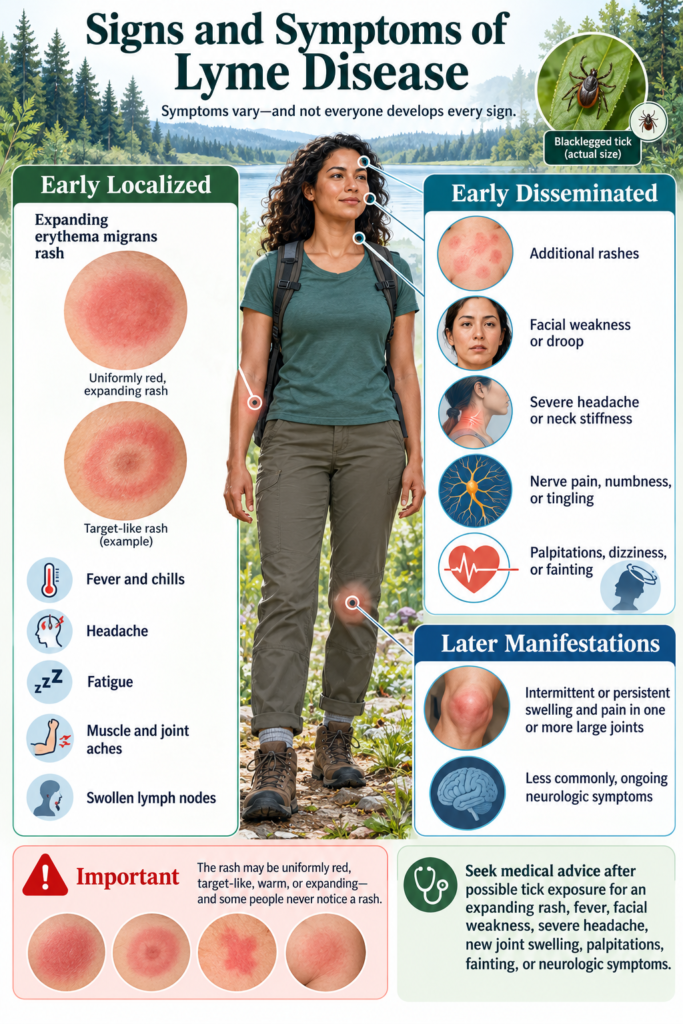
You might notice a red spot at the site of a tick bite that slowly expands over several days. This isn’t just any rash—it’s often the first visible clue that Lyme disease could be taking hold. Often, the rash forms a distinctive “bullseye” pattern, medically known as erythema migrans, which can grow to be as large as 12 inches across. It usually appears between 3 and 30 days after the bite, with most people seeing it within a week. The center may clear up while the outer ring remains red and inflamed, creating that hallmark target-like appearance. Not everyone develops this exact pattern—some rashes are uniformly red or feel warm to the touch—but its presence is a strong indicator of early Lyme infection. If you’ve been in wooded or grassy areas where black-legged ticks (also called deer ticks) live, especially in regions like the Northeast or upper Midwest, that rash is a strong warning sign. These are strong warning signs that may appear. Early recognition of this rash is one of your best tools for prompt treatment.
Common signs and symptoms
Flu-like feelings often kick in around the same time as the rash, even if you never see the bite or the telltale skin change. You might experience fatigue, chills, fever, muscle aches, and headaches that mimic a mild viral illness. Joint pain, particularly in the knees, can come and go, sometimes shifting from one joint to another. Some people report swollen lymph nodes near the bite site or persistent neck stiffness. These symptoms can be easy to brush off—especially if you’re busy or stress levels are high—but when they follow outdoor exposure in tick-prone areas, they deserve attention.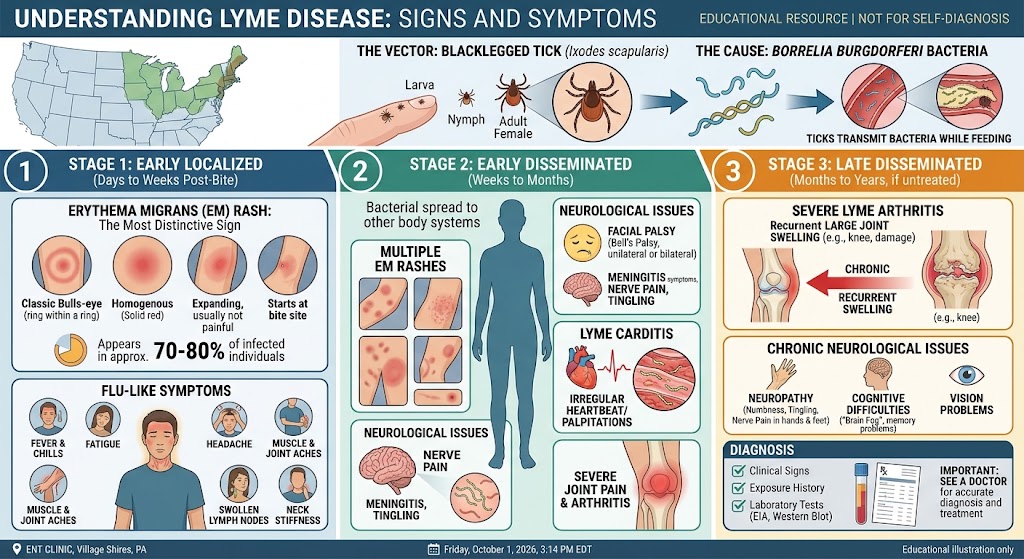
Neurological issues like facial droop (known as Bell’s palsy) or numbness in the limbs may also emerge in early stages. Left untreated, the bacteria responsible—Borrelia burgdorferi—can spread through your bloodstream and affect multiple systems. That’s why paying close attention to how you feel after potential tick contact matters so much. Even if the rash is absent, these overlapping signs form a recognizable pattern your doctor can act on.
The 3 stages of progression
Lyme disease doesn’t hit all at once—it unfolds in three distinct phases, each with its own set of challenges. The first stage, localized infection, begins at the bite site with the erythema migrans rash and flu-like symptoms. This occurs days to weeks after the tick bite and is the best window for effective antibiotic treatment. If the infection goes undetected, you enter stage two—early disseminated. Lyme disease—where the bacteria spread through your body. Weeks to months later, you might develop additional rashes, heart complications like palpitations or arrhythmias (Lyme carditis), or neurological symptoms such as meningitis or nerve pain. The third stage, late persistent Lyme, can emerge months or even years later. Here, arthritis becomes more common, especially in the knees, and some people struggle with chronic fatigue, memory problems, or nerve damage. Not everyone progresses through all stages, but delaying treatment increases the risk of long-term issues. Catching it early changes the entire course.
How long is Lyme disease going to last, really?
It’s one of the first questions that comes to mind after a diagnosis: how long will treatment actually last? The treatment isn’t straightforward, because Lyme disease doesn’t follow a single timeline for everyone. If caught early—within days or weeks of a tick bite—and treated with antibiotics like doxycycline, most people start feeling better within 2 to 4 weeks. The standard course of oral antibiotics typically lasts 10 to 21 days, and for many, that’s enough to clear the infection completely. Cases documented by the CDC in the 1980s, including those from Old Lyme, Connecticut—the town where the disease was first identified—showed strong recovery rates when treatment began early.
Still, some patients report lingering symptoms even after completing antibiotic therapy. This has led to the term “Post-Treatment Lyme Disease Syndrome” (PTLDS), recognized by the CDC, which affects an estimated 10% to 20% of diagnosed individuals. Fatigue, joint pain, and brain fog can persist for months. You might find yourself wondering if this experience is just part of recovery or if this condition is something more. There’s no definitive test to confirm when the bacteria are fully gone, so the experience becomes deeply personal—and often frustrating.
Recovery time also depends heavily on how quickly you sought care. Delays in diagnosis, sometimes due to vague early symptoms or false-negative tests, can allow the bacteria to spread. In such cases, treatment may require longer antibiotic courses or intravenous therapy, especially if neurological or cardiac symptoms develop. So while acute Lyme often resolves in weeks, your journey could stretch much longer depending on timing, response to treatment, and individual health factors.
The typical timeline of the illness
You’re probably hoping for a clear-cut answer: how many weeks, how many months? For early-stage Lyme disease, symptoms usually appear 3 to 30 days after a tick bite, with the telltale bullseye rash showing up in about 70% to 80% of cases. Once diagnosed, a 10- to 21-day course of antibiotics like amoxicillin or doxycycline is standard. Most patients begin to feel improvement within the first week of treatment, with full recovery expected in 4 to 6 weeks for uncomplicated cases. The IDSA (Infectious Diseases Society of America) guidelines support this timeframe as effective for the majority.
If you didn’t notice the tick or the rash, and symptoms progress to involve the joints, nerves, or heart, the timeline shifts. Neurological complications like facial palsy or meningitis may take weeks to resolve, even with IV antibiotics like ceftriaxone. Some studies following patients in endemic areas like Nantucket or Wisconsin show symptom resolution over 2 to 3 months with appropriate treatment. But here’s the catch: the longer the delay in treatment, the more entrenched the symptoms can become, extending recovery unpredictably.
Even after successful treatment, fatigue or mild joint discomfort might linger for a few extra weeks. This doesn’t necessarily mean the infection is still active—it could be your body recalibrating. Still, when symptoms drag past three months, doctors start considering other labels, like PTLDS. You’re not imagining it; the timeline just got more complicated than anyone hoped.
Dealing with the chronic side of Lyme disease
Let’s talk about what happens when Lyme doesn’t let go. You’ve completed your antibiotics, followed the guidelines, but you’re still exhausted, achy, and mentally foggy. This is where the conversation turns to chronic Lyme disease—a term hotly debated in mainstream medicine. While organizations like the CDC and IDSA don’t recognize “chronic Lyme” as an ongoing infection, many patients and some clinicians use the term to describe persistent symptoms lasting six months or more. Some estimate that tens of thousands of Americans fall into this category each year.
You might have come across stories from patients like Kristin Phillips, who spent years cycling through treatments after her initial diagnosis in 2005, or the advocacy work of groups like the Lyme Disease Association pushing for broader recognition. These experiences highlight a gap: even with standard care, a subset of people continue to suffer. Some practitioners prescribe extended antibiotic courses, though studies like the 2008 NEJM trial found no significant benefit and potential risks. So where does that leave you? You may often find yourself navigating a patchwork of symptom management and alternative approaches.
Living with prolonged symptoms means adjusting expectations. You may need to pace yourself, prioritize sleep, and explore therapies that support immune function and nervous system regulation. It’s not about giving up—it’s about adapting. And while science continues to study why some recover quickly and others don’t, your reality is day-to-day resilience. The clock continues to tick, but so do you.
Is Lyme disease curable?
Yes—and this is the part many people don’t hear soon enough—Lyme disease is curable, especially when caught early. Most cases respond well to antibiotics, and the majority of patients recover fully after a course of treatment. The standard approach, backed by the CDC and infectious disease specialists, involves targeted antibiotic therapy that stops the *Borrelia burgdorferi* bacteria in its tracks. Early-stage Lyme, marked by the bullseye rash or flu-like symptoms within days or weeks of a tick bite, typically clears up with two to four weeks of oral doxycycline, amoxicillin, or cefuroxime. Success rates are high, with most people feeling back to normal within weeks of starting treatment.
Standard medical treatments for Lyme disease
Doctors rely on evidence-based protocols from organizations like the Infectious Diseases Society of America (IDSA), which recommend antibiotics as the frontline defense. For early Lyme, you’ll likely be prescribed doxycycline—often 100 mg twice daily for 21 days—especially if you’re over 8 years old and not pregnant. Amoxicillin and cefuroxime are common alternatives for children, pregnant women, or those who can’t tolerate doxycycline. These treatments have been tested in large clinical trials and consistently show strong outcomes when used promptly. In more severe cases—say, when the infection spreads to the heart or nervous system—intravenous antibiotics like ceftriaxone may be needed for two to four weeks. Recovery timelines vary, but most patients see significant improvement within the first few weeks of starting the right medication. The key is early diagnosis and sticking to the full course, even if you start feeling better.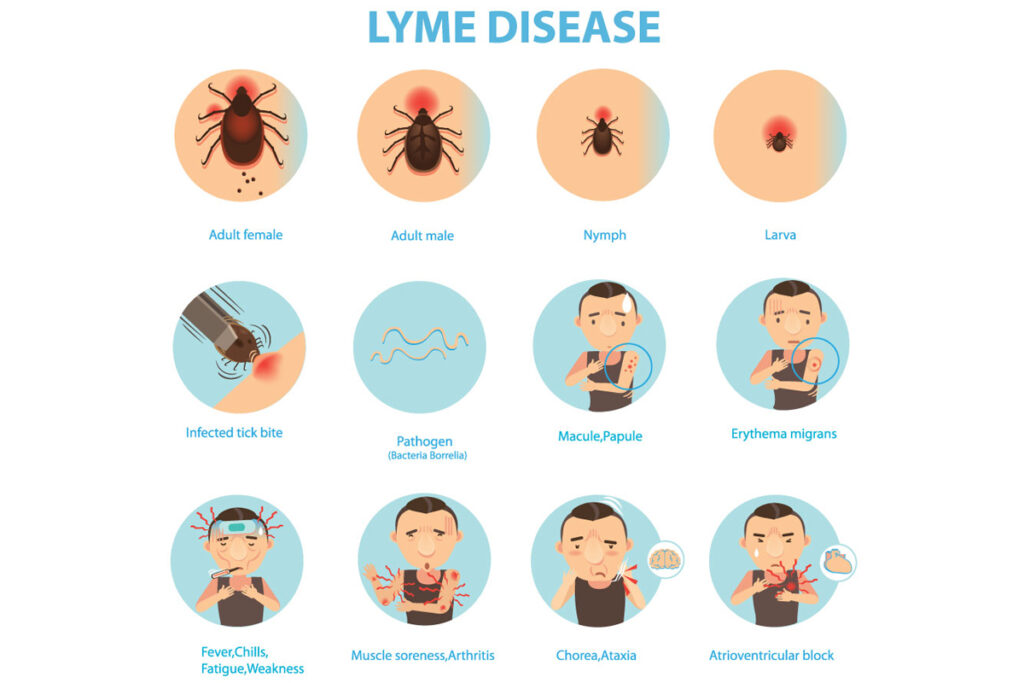
Options for those with chronic symptoms
Some people continue experiencing fatigue, joint pain, or brain fog for months after treatment—a condition sometimes called post-treatment Lyme disease syndrome (PTLDS). While the bacteria are gone, your body might still be healing. For these lingering symptoms, doctors don’t recommend long-term antibiotics, as studies show they don’t help and can cause serious side effects. Instead, management focuses on quality of life: physical therapy for joint stiffness, cognitive behavioral therapy for mental fatigue, and sleep support. Some patients explore complementary approaches like anti-inflammatory diets or herbal supplements such as *Andrographis paniculata* or *Japanese knotweed*, though evidence is limited. A mid-sized SaaS firm CEO who recovered after two years of integrative care reported that pacing his activity and working with a functional medicine practitioner made the biggest difference. Recovery isn’t always linear, but improvement is possible—and many do get better over time.
My take on the whole holistic approach to Lyme disease management
When you’re dealing with chronic Lyme disease, the standard one-size-fits-all antibiotic protocol doesn’t always cut it—especially when symptoms linger for months or even years. That’s where a holistic approach steps in, not to replace conventional care, but to work alongside it in a way that addresses your entire system. Lyme disease holistic treatment Holistic treatment for Lyme disease and specialized homeopathic treatment for chronic Lyme disease, focusing on restoring balance rather than just attacking the bacteria. This method looks at sleep quality, immune function, gut health, and emotional well-being as key pieces of the puzzle. You’re not just fighting an infection; you’re rebuilding your body’s ability to heal itself.
Many people feel dismissed by traditional medicine when their lab tests come back inconclusive or their symptoms persist post-treatment. The reality is, Lyme can mimic other conditions—fibromyalgia, chronic fatigue syndrome, and even mental health disorders—making it deceptively simple to misdiagnose. A holistic lens allows practitioners to see patterns beyond blood work, tuning into how you feel and knowing your body best, and a thoughtful holistic plan honors that insight. It’s not about rejecting science—it’s about expanding the toolkit. When you combine clinical knowledge with individualized care, you create space for real, lasting recovery.
Think of your body as a complex ecosystem. When one part is off—say, your gut flora from rounds of antibiotics—everything else can spiral. Holistic treatment aims to stabilize these systems so you’re not just surviving but thriving. You’re not a passive patient; you’re an active participant in your healing journey.
Why I like the holistic route
You’re not just fighting a single pathogen—you’re managing a cascade of effects that ripple through your body. That’s why the holistic route resonates so deeply. Lyme disease holistic treatment often includes homeopathic remedies and specialized homeopathic treatment for chronic Lyme disease, which go beyond symptom suppression to support long-term resilience. Instead of relying solely on antibiotics that may disrupt your gut or immune function, this approach integrates nutrition, stress reduction, and natural therapeutics tailored to your unique needs. You’re treated as a whole person, not a checklist of symptoms.
Imagine a plan that adjusts based on how you sleep, what you eat, and how your mood shifts week to week. That’s the kind of personalized care holistic methods offer. For someone with lingering fatigue or brain fog after standard treatment, such an approach can make a real difference. You’re not stuck waiting for a magic pill; instead, you’re building daily habits that gradually restore your energy and clarity. Small shifts, like adding anti-inflammatory foods or practicing mindfulness, compound into real progress.
And let’s not overlook the empowerment factor. When you’re deep in chronic illness, it’s easy to feel helpless. But with holistic care, you’re equipped with tools you can use every single day. You track your triggers, notice patterns, and make informed choices—putting you back in the driver’s seat of your health.
Homeopathic remedies that work for Lyme disease
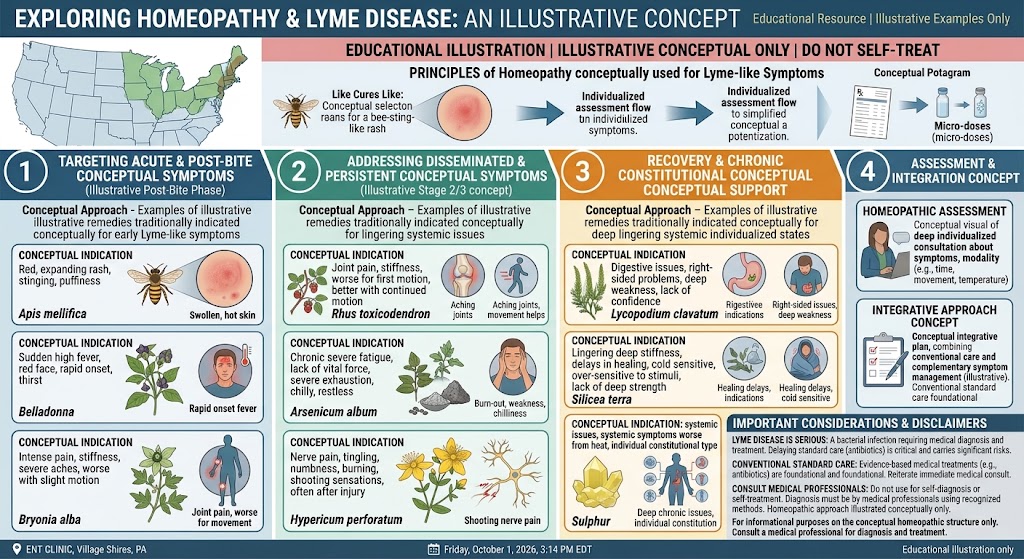
Homeopathy isn’t about one universal fix—it’s about matching the right remedy to your specific symptom picture. For chronic Lyme disease, practitioners often turn to remedies like *Ledum palustre*, traditionally used for puncture wounds and insect bites, which some find helpful in early-stage symptoms following a tick bite. You might also encounter *Borrelia burgdorferi* nosodes, a homeopathic preparation derived from the Lyme spirochete itself, used in specialized homeopathic treatment for chronic Lyme disease to stimulate the body’s adaptive response. These aren’t antibiotics, but they’re part of a broader strategy to gently nudge your system back into balance.
Another commonly used remedy is *Rhus toxicodendron*, especially when joint pain and stiffness are dominant—think of that achy, restless feeling that worsens in cold weather and improves with movement. Then there’s *Arnica montana*, which supports tissue repair and helps with the deep muscle soreness many Lyme patients describe. You might take these orally in pellet or liquid form, typically under the guidance of a trained homeopath who adjusts potency and frequency based on your response.
While scientific consensus on homeopathy remains divided, many patients report meaningful improvements in sleep, pain levels, and mental clarity when these remedies are part of a comprehensive plan. You’re not just crossing your fingers—your progress is monitored, adjusted, and integrated with other supportive therapies like herbal medicine and detox support. It’s subtle, yes, but for some, it’s the missing piece that makes the rest of the healing process click.
Acupuncture might be the real deal to manage chronic Lyme disease.
You’re not imagining it—acupuncture has become a go-to for many Lyme patients navigating chronic symptoms. It’s not just about sticking needles in random spots; this is a targeted practice with roots stretching back thousands of years in Traditional Chinese Medicine. People dealing with Lyme’s stubborn fatigue, joint pain, and brain fog are turning to acupuncture because, frankly, conventional treatments sometimes fall short. When done right, with precision and an understanding of your specific symptom pattern, it can offer real relief. There’s growing anecdotal evidence from patient communities and integrative practitioners who report improvements in sleep, energy, and inflammation after consistent sessions. While Western medicine still debates its mechanisms, the results on the ground speak for themselves.
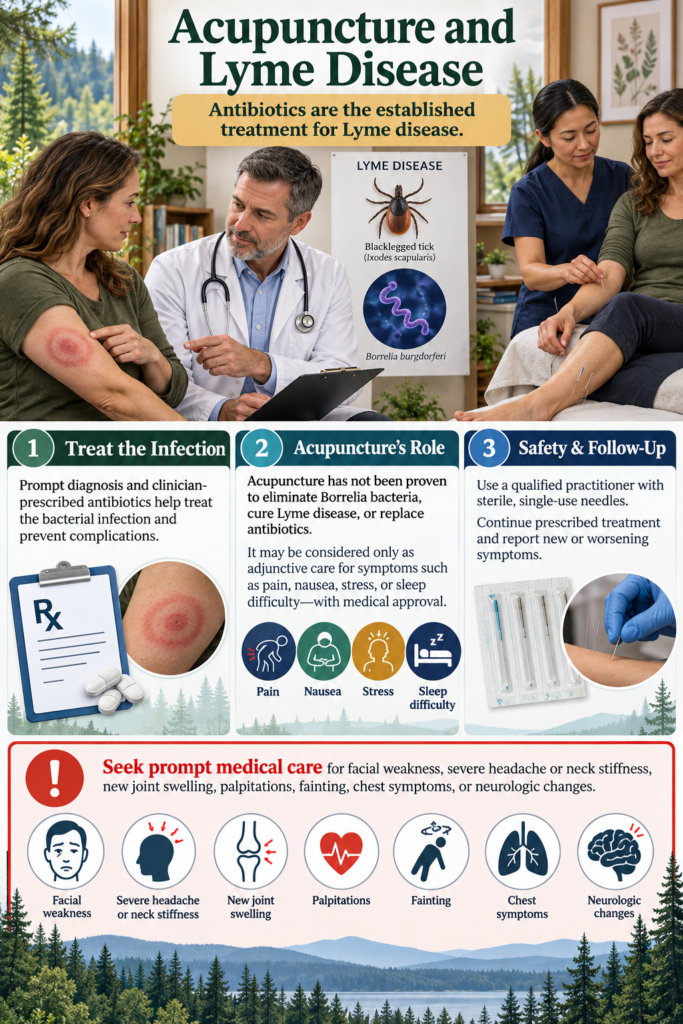
One reason acupuncture resonates so deeply in Lyme care is how well it aligns with treating systemic imbalance. Unlike medications that target one pathway, acupuncture works across multiple systems at once—nervous, immune, and circulatory. You’ve probably noticed how Lyme can throw everything off: digestion, mood, and pain thresholds. Acupuncture helps recalibrate these dysfunctions by stimulating nerve-rich points linked to organ function and energy flow. Many patients report feeling a shift after just a few visits—less body aches, better sleep, and even improved mental clarity. It’s not a standalone cure, but as part of a layered healing plan, it makes a tangible difference.
Science is starting to catch up, too. Studies show acupuncture can reduce pro-inflammatory cytokines—exactly the kind that spike during Lyme flare-ups. This means less swelling in joints, calmer nerves, and a quieter autoimmune response. For someone battling persistent inflammation from *Borrelia burgdorferi*, that’s huge. You’re not just masking pain; you’re influencing your body’s internal environment. Practitioners familiar with tick-borne illness often combine acupuncture with herbal support and detox strategies, creating a more cohesive attack on the disease’s complexity. If you’ve hit a plateau in recovery, this could be the missing piece.
How acupuncture helps the body
Acupuncture activates the parasympathetic nervous system, which is often suppressed in chronic Lyme patients stuck in “fight-or-flight” mode. When your body remains in survival mode for months or years, digestion slows, immunity falters, and healing stalls. By inserting fine needles into specific points, practitioners help flip the switch back to “rest-and-digest,” allowing repair processes to kick in. You may notice deeper breathing, relaxed muscles, or even a sudden wave of calm during a session—these aren’t coincidences. They’re signs your nervous system is finally letting down its guard.
Your immune response also gets a subtle nudge from regular treatment. Research indicates acupuncture increases white blood cell activity and modulates immune signaling, which matters when Lyme bacteria manipulate your defenses to hide. One study found measurable drops in IL-6 and TNF-alpha—two inflammatory markers elevated in neuroinflammatory conditions like late-stage Lyme. While you won’t see these changes on a lab report overnight, you’ll likely feel them in reduced headaches, sharper thinking, and fewer flare-ups. It’s not magic—it’s physiology responding to precise stimulation.
Detoxification pathways benefit, too. The liver and lymphatic system play major roles in clearing metabolic waste and bacterial debris, both of which accumulate during antibiotic or herbal protocols. Acupuncture points like Liv3 and GB34 are known to support liver function, while others along the spleen meridian encourage lymph drainage. When combined with hydration and movement, these treatments can ease the “herx” reactions that make Lyme therapy so grueling. You’re not just surviving treatment—you’re moving through it with more resilience.
The best acupuncture points to target
LI4 (Hegu), located between your thumb and index finger, is a powerhouse for immune modulation and pain relief. It’s frequently used in Lyme cases to reduce facial tension, sinus pressure, and generalized discomfort. But caution: this point should be avoided during pregnancy. Still, for most adults, LI4 helps break up stagnation—both physical and energetic—that often accompanies long-term infection. You might feel a dull ache or warmth radiating from the site, a sign the point is active and working.
ST36 (Zusanli), found below the kneecap, is another cornerstone. Known as a major tonifying point, it boosts energy, strengthens digestion, and supports overall vitality—three things Lyme tends to deplete. Patients reporting chronic fatigue often see improvements in stamina after consistent ST36 stimulation. Some acupuncturists even use electro-acupuncture here, applying a mild current to amplify the effect. In clinical settings, this point has been linked to increased ATP production in cells, which could explain why you feel more “charged” post-session.
For neurological symptoms like brain fog or tingling extremities, PC6 (Neiguan) on the inner forearm is routinely targeted. It calms the heart, eases anxiety, and improves circulation to the brain. Many patients undergoing Lyme treatment struggle with insomnia or night sweats—PC6 helps regulate those disruptions. When combined with HT7 (Shenmen), a point on the wrist tied to emotional balance, the duo creates a calming circuit that supports nervous system recovery. These aren’t random picks—they’re time-tested tools in the acupuncturist’s map for rebuilding stability after illness.
Summing up
You’ve learned how Lyme disease starts with a tick bite—most often from the black-legged tick—and how the bacterium *Borrelia burgdorferi* is the main culprit behind your symptoms. From fever and fatigue to joint pain and neurological issues, the signs can vary widely, and if left unchecked, the condition may persist for months or even years. Early detection through clinical evaluation and targeted testing improves your odds of a full recovery, but delays can complicate treatment and prolong your discomfort.
You now know that while antibiotics are the standard medical response, many people turn to holistic methods like herbal protocols, dietary changes, and acupuncture to support healing—especially when symptoms linger. Some find real relief in these approaches, though they should never replace evidence-based care in acute cases. The truth is, prevention remains your strongest tool. Wearing protective clothing, using tick repellent, checking your skin after outdoor activities, and avoiding high-risk areas during peak tick season (spring through summer) can drastically reduce your risk.
You don’t have to live in fear, but you do need to be smart. The best strategy is knowing how to prevent Lyme disease in the first place so you don’t have to worry about these treatments.
FAQ

Q: What causes Lyme disease?
A: Lyme disease is caused by the bacterium *Borrelia burgdorferi*. This tiny spiral-shaped germ gets into your bloodstream through the bite of infected black-legged ticks, commonly known as deer ticks. These ticks are usually found in wooded, bushy, or grassy areas—think hiking trails, backyards with tall grass, or leaf-littered forests. The bacteria don’t fly or jump; they only spread when an infected tick latches on and feeds long enough—usually 36 to 48 hours—to pass the infection.
Q: How do you get Lyme disease?
A: You get Lyme disease from the bite of an infected tick. It’s not something you catch from another person, pet, or through the air. The real danger comes from spending time outdoors in tick-prone areas without proper protection. Hikers, campers, gardeners, and even kids playing in the yard can be at risk. Ticks often latch on unnoticed because their bites don’t hurt. If the tick stays attached long enough, it can transmit the bacteria. That’s why checking your body after being outside is a smart move.
Q: Is Lyme disease a virus?
A: No, Lyme disease is not a virus. It’s a bacterial infection caused by *Borrelia burgdorferi and sometimes other related species like *Borrelia mayonii*. Because it’s bacterial, it responds to antibiotics—especially when caught early. Viruses behave differently and don’t respond to antibiotics at all. Confusing the two can lead to wrong treatments, so it’s worth clarifying: this is a stealthy bacterium, not a virus.
Q: What are the 3 stages of Lyme disease?
A: Lyme disease typically unfolds in three stages, though they can overlap. The first is the early localized stage, where the infection is still contained near the tick bite—this is when the classic bullseye rash might appear. Next is early disseminated disease, meaning the bacteria have started spreading through the bloodstream, possibly affecting joints, the heart, or nerves. The third is late persistent Lyme, which can develop weeks, months, or even years later if untreated. This stage may involve chronic joint pain, neurological issues, or fatigue. Not everyone goes through all stages, but missing early signs increases the risk of complications.
Q: What are the most common symptoms of Lyme disease?
A: Early signs include fever, chills, fatigue, headache, muscle and joint aches, and swollen lymph nodes. But the standout clue is the rash-called erythema migrans—that looks like a red bullseye or expanding red patch. It shows up in about 70-80% of cases, usually 3 to 30 days after the bite. As the disease progresses, symptoms can shift to nerve pain, facial drooping (Bell’s palsy), heart palpitations, or severe joint swelling—especially in the knees. Some people describe brain fog or mood changes, which can be mistaken for other conditions.
Q: How long does Lyme disease last?
A: That depends on when it’s caught and how it’s treated. With early diagnosis and a standard course of antibiotics like doxycycline or amoxicillin, most people recover fully in a few weeks. But if treatment is delayed, symptoms can linger for months. Some develop what’s called post-treatment Lyme disease syndrome (PTLDS), where fatigue, pain, or brain fog persist. A subset of patients report ongoing issues they call chronic Lyme, though this term is debated in mainstream medicine. Either way, the longer the infection runs unchecked, the harder it can be to fully bounce back.
Q: Is Lyme disease contagious?
A: No, you can’t catch Lyme disease from another person. It’s not spread through coughing, kissing, or sharing a drink. There’s no evidence it spreads through sexual contact or blood transfusions under normal circumstances. The only known route is through the bite of an infected tick. Pregnant women with untreated Lyme can potentially pass it to the fetus, but such transmission is rare and preventable with proper care. So while it’s serious, it’s not something you need to worry about catching from a coworker or family member.
Holistic Treatments for Lyme Disease in Philadelphia
If you’ve lately had a tick bite or believe you may have been infected with Lyme disease, see your family physician immediately. Antibiotics are the only verified cure for Lyme disease, and it’s best to begin the treatment in the earliest phase of the disease rather than later. If you prefer natural remedies for Lyme disease, check with your family physician first.
For a comprehensive, holistic evaluation and natural treatment for Lyme disease, contact our clinic at (267) 403-3085 and book an appointment with Dr. Tsan.