
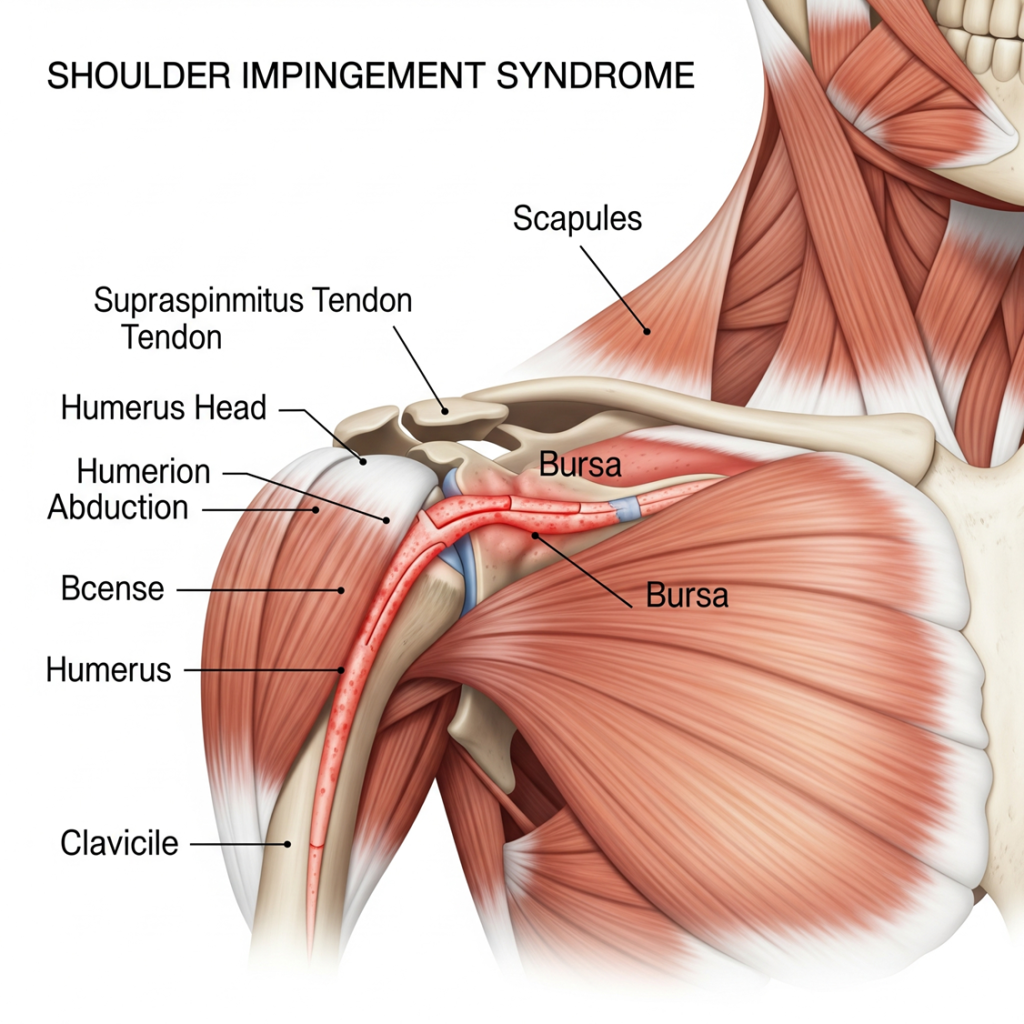
Shoulder Impingement Syndrome
Just understanding your shoulder impingement syndrome can help you manage pain and restore function effectively. This condition occurs when tendons or bursae in your shoulder become compressed during arm movements. You might experience symptoms like pain, weakness, or reduced mobility. Knowing the differences between shoulder impingement, frozen shoulder, and rotator cuff tears is important for accurate diagnosis. Treatment options range from physical therapy and exercises to acupuncture and homeopathy, offering both conventional and holistic approaches to support your recovery and improve your quality of life.
Key Takeaways:
- Causes: Shoulder impingement syndrome is commonly caused by repetitive overhead activities, structural abnormalities, muscle imbalances, or inflammation leading to compression of tendons and bursae in the shoulder.
- Symptoms: Typical symptoms include pain during arm elevation, especially overhead movements, weakness, reduced range of motion, and tenderness around the shoulder.
- Differential Diagnosis: Shoulder impingement can be differentiated from frozen shoulder by the presence of pain and limited movement with impingement versus the more global stiffness and reduced active/passive range of motion seen in frozen shoulder. Compared to rotator cuff tears, impingement usually has less severe weakness and no full-thickness tendon disruption.
- Treatment Approaches: Initial treatment typically involves conservative methods such as rest, non-steroidal anti-inflammatory drugs (NSAIDs), and physical therapy focusing on pain relief and restoring mobility.
- Physical Therapy and Exercises: Targeted exercises aim to strengthen scapular stabilizers, improve rotator cuff function, and increase shoulder flexibility to reduce impingement symptoms.
- Acupuncture: Some patients find acupuncture helpful as a complementary therapy for pain relief and improving shoulder function, though evidence varies and should be integrated with conventional care.
- Homeopathy: Homeopathy is used by some as an alternative or adjunct treatment, but its efficacy for shoulder impingement lacks strong scientific support and should not replace standard medical treatment.
The Anatomy of Shoulder Impingement: What’s Happening Under the Surface?
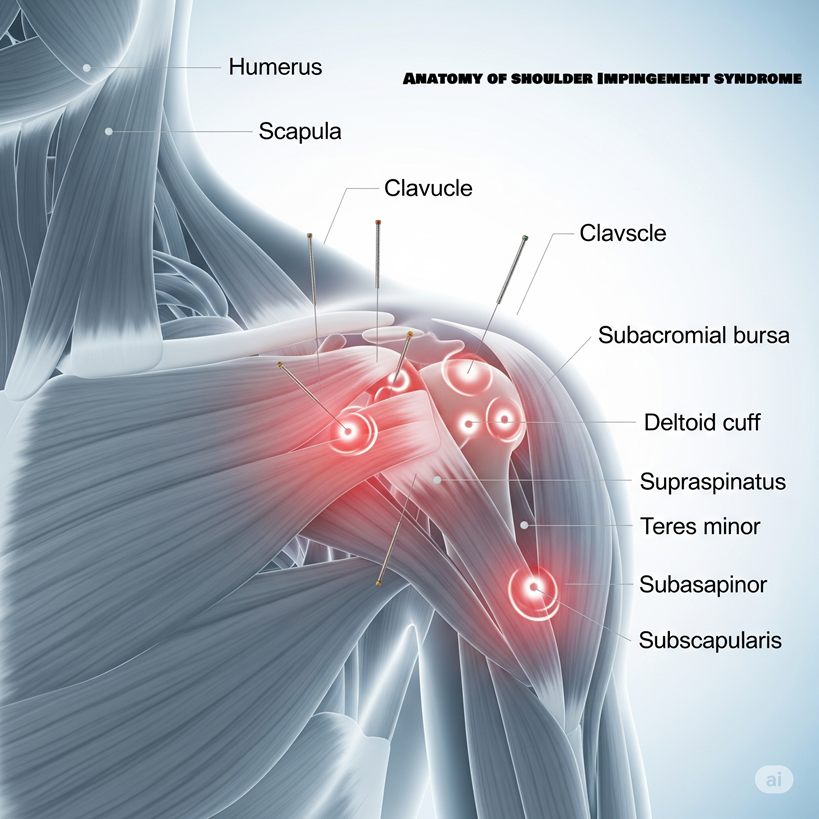
Bone and Tendon Dynamics in the Shoulder
Your shoulder is a marvel of biomechanical engineering, allowing a wide range of motion while depending on the precise interplay of bones, tendons, and muscles. Central to shoulder impingement syndrome is the space between the acromion—a bony projection on the scapula—and the rotator cuff tendons that run beneath it. This narrow passageway, known as the subacromial space, normally permits smooth gliding of the tendons as you lift or rotate your arm. However, when this space becomes constricted, the tendons can become pinched, inflamed, or injured, creating the characteristic pain and movement limitation that you experience with impingement.
The rotator cuff tendons, especially the supraspinatus tendon, bear the brunt of this impingement. These tendons connect your shoulder muscles to the bone and stabilize the joint throughout your daily activities. Overuse or degeneration can weaken these tendons, causing inflammation that thickens the tendon tissue and further narrows the subacromial space. Additionally, the undersurface of the acromion may develop bony spurs or irregularities with age or repetitive stress, physically encroaching on the tendons. Such structural changes are often visible on MRI or ultrasound scans and are key markers your healthcare provider looks for when diagnosing your shoulder pain.
Alongside the bones and tendons, the subacromial bursa—a fluid-filled sac designed to decrease friction—can become irritated in impingement syndrome. This bursa lies between the acromion and the rotator cuff tendons and can swell significantly under chronic stress. When inflamed, it adds to the volume within an already tight subacromial space, exacerbating the mechanical compression of your tendons. This delicate balance among bone shape, tendon condition, and bursal health guides both how your symptoms develop and how your treatment plan should be tailored.
Common Causes Triggering Impingement
Pinpointing the causes behind your shoulder impingement often reveals a combination of factors rather than a single event. Repetitive overhead motions, especially in athletes who swim, throw, or lift weights, frequently initiate irritation of the rotator cuff tendons and bursa. Occupational hazards, such as painting or carpentry that demand consistent arm elevation, contribute similarly by subjecting your shoulder to ongoing microtrauma. The cumulative effect increases the risk that the protective tissues will thicken or degenerate over time, leading to compression within the subacromial space.
Age-related changes also play a substantial role. As you get older, the collagen fibers in your tendons become less elastic, and vascular supply diminishes—these factors make the rotator cuff tendons more vulnerable to wear and tears even with normal daily activities. Bone spurs tend to form on the acromion after years of use, altering its shape and frequently converting what was a smooth underside into a rough ridge that impinges on soft tissue. In some cases, anatomical variations like a hooked or curved acromion predispose individuals to impingement by reducing that critical subacromial space from the outset.
Previous injuries can set the stage for impingement as well. Partial or complete rotator cuff tears, shoulder instability, or previous fractures may disrupt the delicate mechanics and alignment of your shoulder, making your tendons more susceptible to rubbing against the acromion. Poor posture, such as rounded shoulders from desk work, can shift your scapula’s position, further narrowing the subacromial space and increasing the likelihood of impingement symptoms. Understanding these causes helps tailor your therapy to address not just the symptoms but the underlying mechanical stresses.
Exploring these causes in detail reveals that the onset of shoulder impingement often results from a complex interaction between your daily activities, anatomical factors, and tissue health. This complexity underscores why treatment must be as multifaceted as the condition itself, targeting the mechanical impingement, inflammation, and strengthening your shoulder dynamics to prevent recurrence.
Pain Signals: Identifying Symptoms of Shoulder Impingement
Distinguishing Characteristics of the Pain
Your experience of pain with shoulder impingement often centers around a sharp, aching sensation located at the front and side of the shoulder. It typically intensifies when you lift your arm overhead, such as when reaching up to a shelf or putting on a shirt. Unlike the more constant and diffuse pain of a frozen shoulder, impingement pain tends to flare with specific movements that compress the rotator cuff tendons under the acromion bone.
The pain you feel during activities reflects inflammation of the subacromial bursa and irritation of the supraspinatus tendon. You might notice a catching or clicking sensation when rotating your arm, especially during internal rotation or abduction movements between 60 and 120 degrees—often called the “painful arc.” This localized discomfort differentiates impingement pain from the broader, rigid stiffness seen in a frozen shoulder or the weakness and constant dull ache associated with a rotator cuff tear.
Nighttime pain is another hallmark symptom you may encounter. Lying on the affected side often aggravates the inflammation, disrupting your sleep. This nocturnal pain frequently pushes people to seek treatment, as it can linger longer than daytime discomfort. If you experience sudden, sharp pain along with weakness or inability to raise your arm, however, you should consult your physician promptly to rule out a rotator cuff tear.
Shoulder Impingement Syndrome Impacts Daily Activities and Quality of Life
Shoulder impingement can quietly infiltrate your daily routine, making seemingly simple tasks challenging. Activities requiring arm elevation—such as brushing your hair, reaching for cupboards, or even driving—may result in discomfort or pain. You might find yourself avoiding certain motions or compensating by using your other arm more frequently, which can further exacerbate the problem or cause strain elsewhere.
Persistent pain and limited range of motion directly affect your ability to participate in hobbies or sports that involve overhead movements, such as swimming, tennis, or weightlifting. This restriction can significantly reduce your overall physical activity, which may impact muscle strength and joint flexibility over time. You may notice a decline in your shoulder’s endurance, and in some cases, frustrations with these limitations lead to emotional distress or decreased motivation to stay active.
Additionally, you could experience difficulty with work-related tasks, especially if your occupation requires repetitive arm use or overhead lifting. The cumulative effect of pain and functional limitation elevates stress levels and may disrupt sleep patterns, creating a cycle that impacts both physical and mental well-being. Addressing these consequences early on helps preserve your quality of life and supports faster recovery through targeted interventions.
Understanding how shoulder impingement influences your everyday experiences can guide your approach to treatment and self-care. As symptoms interfere with both practical tasks and leisure activities, integrating physical therapy, exercises, or complementary therapies like acupuncture may restore lost function and reduce discomfort. Taking proactive steps often leads to improved mobility and fewer disruptions to your routine, helping you regain control over your shoulder health and overall lifestyle.
Unpacking Shoulder Impingement Diagnostic Challenges: Differentiating Impingement from Other Conditions
Shoulder impingement syndrome often presents symptoms that closely resemble those of other shoulder disorders, making accurate diagnosis a complex task. Pain localized around the acromion or top of the shoulder, especially during arm elevation, is a hallmark symptom shared by several conditions. This overlap can lead to misdiagnosis or delays in appropriate treatment. For you, this means that a detailed clinical evaluation combined with imaging studies becomes a crucial step to distinguish impingement from other pathologies like frozen shoulder or rotator cuff tears. The subtleties in symptom onset, pain pattern, and functional limitations guide the clinician toward the correct diagnosis.
Physical examination tests such as Neer’s impingement sign, the Hawkins-Kennedy test, and the painful arc sign are useful in identifying shoulder impingement but may not definitively rule out other disorders. For instance, the presence of stiffness and significant loss of both active and passive shoulder motion suggests adhesive capsulitis rather than isolated impingement. Your history is equally important—insidious onset and gradual worsening of pain with accompanying stiffness over weeks tend to steer diagnosis away from impingement syndrome towards frozen shoulder. Diagnostic imaging tools like MRI and ultrasound help identify issues by showing the condition of the rotator cuff, thickening of the joint capsule, or fluid buildup in the subacromial space, which helps create a specific treatment plan.
Failing to accurately distinguish shoulder impingement from broader shoulder pathologies can delay recovery and lead to ineffective interventions. Each condition responds differently to therapies such as physical rehabilitation or surgery. Therefore, you should expect a thorough approach by your healthcare provider that integrates your detailed symptom description, clinical tests, and imaging findings for the best outcomes. Recognizing the nuanced differences informs not only your diagnosis but also shapes a treatment strategy targeting the true underlying problem.
Frozen Shoulder: Overlapping Symptoms and Key Differences
Frozen shoulder, or adhesive capsulitis, shares several symptoms with shoulder impingement, like pain during arm movement and restricted mobility, often leading to diagnostic confusion. You might notice that, unlike impingement, which usually causes sharp pain during overhead activities, frozen shoulder manifests with a steady, deep ache accompanied by a progressive loss in both active and passive range of motion. Typically, frozen shoulder evolves in three stages: freezing (painful phase), frozen (stiffness phase), and thawing (recovery phase), with the total course lasting from 1 to 3 years. In contrast, symptoms of impingement tend to be more activity-dependent, fluctuating with arm use rather than showing this prolonged, self-limiting natural history.
Palpation and specific maneuvers can blend findings between the two conditions, but the hallmark to watch for in frozen shoulder is a capsular pattern of movement restriction—external rotation is usually the most limited, followed by abduction and internal rotation. You may find your shoulder is notably stiff and difficult to move passively, which is uncommon in pure impingement cases where movement restrictions are typically more subtle or secondary to pain. Imaging can reinforce your diagnosis; for example, MRI shows thickening of the coracohumeral ligament and capsule in frozen shoulder but lacks the tendon inflammation or impingement signs seen in subacromial syndrome.
The management approach also emphasizes the value of accurate differentiation. Frozen shoulder relies heavily on gentle, consistent physical therapy focused on improving range of motion and reducing stiffness, with corticosteroid injections often playing a role in earlier phases. Overly aggressive movement in frozen shoulder can exacerbate pain or inflammation, whereas in impingement, targeted strengthening and correcting biomechanics are pivotal. Understanding these distinctions helps you engage with a treatment plan that aligns with your condition’s particular pathophysiology, enhancing recovery potential.
Rotator Cuff Tears: Similarities, Diagnostic Techniques, and Treatment Paths
Rotator cuff tears and shoulder impingement syndrome frequently coexist, further complicating diagnosis since they share symptoms such as pain during overhead or lifting activities, weakness, and limited shoulder function. Partial-thickness tears especially may mimic classic impingement syndrome, as tendon inflammation and mechanical compression in both conditions trigger similar pain patterns. Notably, you might experience persistent pain even at rest or night pain with rotator cuff tears, a symptom less typical in uncomplicated impingement. Functional deficits in rotator cuff tears generally include measurable weakness on resisted movements, which you can detect during clinical strength testing.
Advanced imaging holds a prominent role in differentiating these conditions. While X-rays may reveal bone spurs implicated in impingement, MRI and ultrasound are instrumental in visualizing rotator cuff tendon integrity. MRI, with its high soft tissue contrast, can delineate full or partial thickness tears, muscle atrophy, and fatty infiltration, guiding the treatment plan. Ultrasound provides a dynamic assessment and is beneficial in clinics for real-time evaluation; however, its effectiveness depends on the skill of the operator. Electromyography (EMG) may sometimes be used to rule out nerve involvement, which can mimic rotator cuff pathology symptoms.
Treatment strategies diverge depending on your diagnosis. Shoulder impingement often responds well to conservative management, including targeted physical therapy emphasizing rotator cuff and scapular stabilization exercises, anti-inflammatory medications, and activity modifications. If a rotator cuff tear is detected, particularly a full-thickness or large tear, surgical repair might be indicated to restore shoulder mechanics and function. However, many partial tears respond adequately to non-surgical management akin to impingement treatment, highlighting the personalized approach needed. Postoperative rehabilitation protocols after rotator cuff repair tend to be more prolonged and cautious compared to impingement physical therapy, reflecting the tendon’s healing demands.
Understanding the intertwined nature of rotator cuff pathology and impingement syndrome sharpens your perspective on symptom assessment and treatment choice. Diagnostic tools, clinical findings, and functional testing come together to paint a comprehensive picture, enabling precise targeting of therapeutic interventions that optimize healing and restore your shoulder’s full range of motion and strength.
Conventional Treatments: From Medications to Surgery
Managing shoulder impingement often starts with reducing inflammation and alleviating pain through medications. Nonsteroidal anti-inflammatory drugs (NSAIDs) such as ibuprofen or naproxen are frequently prescribed to control swelling and discomfort. These can help provide symptomatic relief while you undergo other treatments, but they’re typically part of a broader strategy rather than a standalone cure. Your doctor might also recommend corticosteroid injections directly into the subacromial space to target persistent inflammation; these injections can offer rapid pain relief for several weeks, allowing you to engage more effectively in physical therapy.
Physical therapy plays a central role in conventional treatment. A tailored program focuses on improving shoulder mechanics by strengthening the rotator cuff and scapular stabilizers. Specific exercises aim to restore range of motion, enhance scapulohumeral rhythm, and correct muscle imbalances that contribute to the impingement. Therapists often incorporate modalities such as ultrasound or electrical stimulation to reduce pain and promote tissue healing. Consistently performing prescribed exercises, including pendulum swings, external rotations with resistance bands, and scapular squeezes, is key to long-term recovery and preventing recurrence.
If symptoms persist for several months despite conservative measures and significant functional impairment remains, surgical interventions may be explored. Arthroscopic subacromial decompression surgery involves shaving down or removing part of the acromion bone to create more space for tendons, thereby reducing impingement. This procedure often includes cleaning out inflamed bursa or repairing any partial rotator cuff tears identified during surgery. While surgery generally yields positive outcomes, it is typically reserved for cases where non-surgical approaches have not provided adequate relief, given the inherent risks and recovery demands.
Holistic Therapies: Acupuncture, Homeopathy, and Beyond
Acupuncture offers a complementary avenue to address shoulder impingement by stimulating specific points around your shoulder to influence pain pathways and reduce inflammation. Studies suggest that acupuncture can lead to measurable reductions in pain intensity and improvements in shoulder mobility, often enabling you to participate more fully in exercise-based rehab. Procedures involve inserting thin needles at strategic sites that correspond to nerves and muscles implicated in impingement, potentially modulating both local and central nervous system responses. Regular sessions combined with conventional therapy might enhance overall treatment effectiveness.
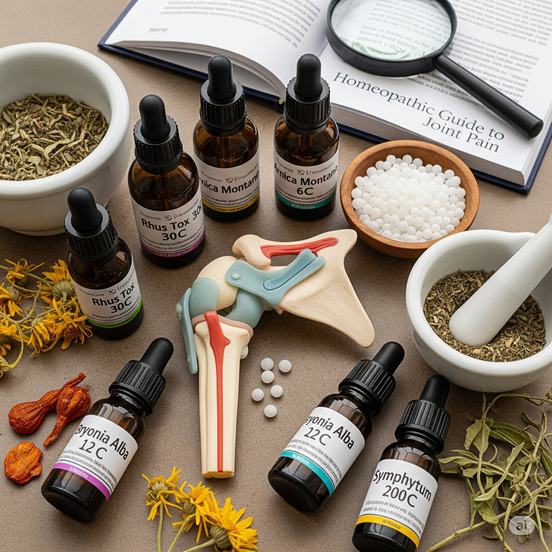
Homeopathy presents another alternative that some individuals explore for managing shoulder impingement symptoms. Remedies are tailored to your specific symptoms and overall constitution, aiming to stimulate the body’s self-healing mechanisms. While robust scientific evidence supporting homeopathy’s efficacy in shoulder impingement is limited, anecdotal reports describe reduced pain and improved function. Typical prescriptions for musculoskeletal conditions might include Arnica montana or Rhus toxicodendron, which are understood within homeopathic practice to address inflammation and joint stiffness, respectively. Consultation with an experienced homeopath ensures the remedies align with your unique presentation.
Acupuncture for Shoulder Impingement Syndrome
Shoulder impingement is a condition that can be treated with acupuncture, which has the potential to alleviate discomfort and inflammation while also delivering an improvement in range of motion. By targeting specific points on the body, acupuncture can help release endorphins, which are natural pain relievers, improve blood flow, and activate weak muscles, all of which aid in the healing process.
The following is a more in-depth examination of the ways that acupuncture can assist with shoulder impingement.
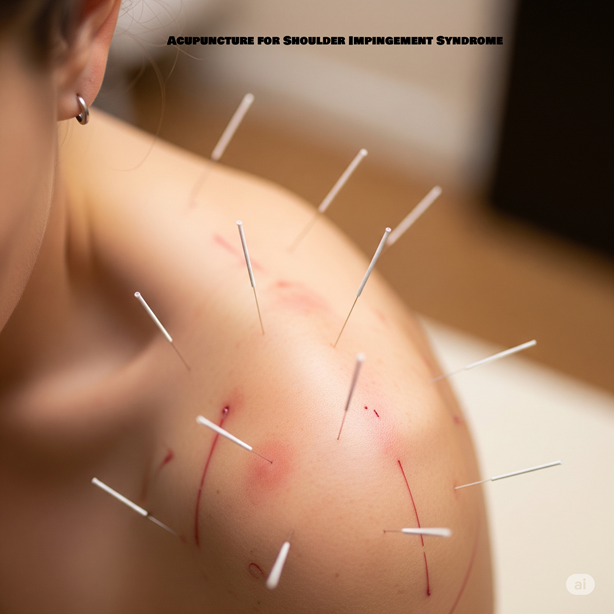
The Process Behind Acupuncture:
Relief from Pain:
Acupuncture is a technique that helps alleviate the sensation of pain that is linked with shoulder impingement by stimulating the production of endorphins, which are the body’s natural analgesics.
Reduced Inflammation:
Because acupuncture can increase blood flow to the problematic location, it can help reduce inflammation and swelling in the shoulder joint and the tissues that surround it.
Enhancement of the Range of Motion:
It is possible for acupuncture to assist in enhancing the range of motion and flexibility of the shoulder by correcting muscular imbalances and facilitating healing.
Aiming to Correct Muscle Disproportions:
The subscapularis, a muscle often affected by shoulder impingement, can be stimulated and strengthened with the healing effects of acupuncture.
Holistic Approach:
It is possible that acupuncture will provide more long-term relief from shoulder impingement because it targets the underlying cause of the condition rather than simply hiding the symptoms.
Particular Methods and Points to Consider:
Local Points:
For the purpose of immediately addressing the location of pain and dysfunction, acupuncture points are utilized in the vicinity of the shoulder joint, as well as along the afflicted muscles and tendons.
Motor Points:
To enhance the activation and function of particular muscles, such as the subscapularis, acupuncture can be used to target the motor points of those muscles.
Trigger Points:
Trigger point release can reduce pain and improve muscle flexibility.
Utilizing Other Methods:
Combining acupuncture with supplementary treatments such as cupping, gua sha, and acupressure can further alleviate pain and enhance function. These techniques can be used in conjunction with acupuncture.
Beyond acupuncture and homeopathy, other holistic approaches such as massage therapy, yoga, and mindfulness-based stress reduction can support recovery by enhancing circulation, reducing muscle tension, and improving your overall sense of well-being. Massage focuses on releasing trigger points and improving soft tissue flexibility around the shoulder girdle, which may alleviate compressive forces contributing to impingement. Yoga postures designed to promote shoulder stability and gentle stretching can complement your rehabilitation exercises by addressing muscle imbalances. Meanwhile, mindfulness techniques help modulate your perception of chronic pain, potentially reducing reliance on medications.
This spectrum of holistic therapies can meaningfully complement conventional care, especially when integrated into a comprehensive treatment plan. While they may not replace physical therapy or medical interventions, including such options frequently encourages a more personalized approach that aligns with your preferences and lifestyle. Discussing these alternatives openly with your healthcare provider can help ensure they fit safely alongside standard treatments and that your progress is monitored effectively.
Empowering Recovery from Shoulder Impingement Syndrome: Physical Therapy and Self-Managed Exercises
Essential Physical Therapy Techniques for Rehabilitation
Physical therapy plays a pivotal role in guiding your shoulder back to proper function, particularly by addressing the underlying biomechanical issues that contribute to impingement. A skilled therapist will often begin with manual therapy techniques such as joint mobilizations to increase the range of motion in your glenohumeral joint. These controlled movements help reduce stiffness and improve the alignment of the shoulder structures, which can alleviate pressure on the rotator cuff tendons and subacromial space. Alongside mobilizations, soft tissue massage targets tight muscles like the upper trapezius and levator scapulae, which often worsen impingement by altering scapular kinematics.
Another core strategy involves specific strengthening exercises focused on the scapular stabilizers—namely the serratus anterior and lower trapezius. These muscles control the positioning of your shoulder blade and create a stable base for optimal shoulder movement. Therapists frequently incorporate closed kinetic chain exercises, like wall pushes or quadruped scapular protraction, as these encourage neuromuscular control and improve posture without excessive strain. Over time, progressive resistance training will be introduced to the rotator cuff muscles themselves, especially the infraspinatus and supraspinatus, helping restore dynamic stability and reduce tendon irritation during overhead or repetitive arm movements.
Education and movement retraining form another vital component of physical therapy. Your therapist will assess and correct faulty movement patterns that contribute to impingement, such as excessive scapular anterior tilt or early acromioclavicular joint elevation during arm elevation. Using biofeedback and visual cues, you’ll learn safer movement strategies that minimize tendon pinching and promote balanced muscle activation. Interventions like posture correction, ergonomic adjustments, and activity modification might also be tailored to your daily routines, limiting further aggravation and accelerating rehabilitation.
At-Home Exercises to Enhance Shoulder Function
Consistent at-home exercises can significantly boost your recovery by sustaining gains made during therapy sessions. Gentle range-of-motion exercises, like pendulum swings and table slides, work well early on to maintain shoulder mobility without forcing painful movements. These movements encourage synovial fluid circulation and prevent adhesions, which is especially important if you have any lingering stiffness or pain while lifting your arm. Simple stretching of the posterior capsule, for example, with cross-body stretches, can alleviate tightness that contributes to limited overhead reach and impingement symptoms.
Isometric strengthening exercises provide a safe way to initiate muscle activation when your pain levels restrict dynamic motion. You might try pressing your hand against a wall or door frame in multiple directions—flexion, extension, abduction, and internal/external rotation—while keeping your shoulder stable. These isometric holds help maintain neuromuscular pathways and muscle tone without exacerbating tendon inflammation. As comfort improves, progressing to resistance bands or light dumbbells allows you to rebuild rotator cuff and scapular muscle strength gradually, reducing abnormal forces that lead to impingement.
Incorporating scapular stabilization exercises can fundamentally change the quality of your shoulder movement. Simple drills like scapular pinches or “Y” raises performed in a prone position target the middle and lower trapezius to counteract the dominance of the upper trapezius and levator scapulae muscles. These exercises align with postural interventions aimed at correcting forward-rounded shoulders, a common contributor to impingement. Committing to a daily routine of these exercises—performed with attention to form and controlled motion—may decrease pain intensity and improve your arm function within four to six weeks.
The variety and progression of at-home exercises allow you to tailor your rehabilitation to daily activities and pain levels. You can adjust intensity by changing repetitions, resistance, or speed to fit your stage of recovery, keeping your shoulder challenged but protected. Supplementing these targeted movements with mindful posture awareness during work or leisure can dramatically enhance your overall shoulder mechanics, facilitating long-term relief from impingement symptoms.
Conclusion
Summing up, understanding shoulder impingement syndrome means recognizing how various factors contribute to this condition, from repetitive overhead activities and poor posture to anatomical variations that can narrow the space where your rotator cuff tendons pass. You might experience symptoms such as pain during arm elevation, weakness, and limited range of motion, which can interrupt your daily tasks and reduce your overall quality of life. By paying attention to these signs early, you can better distinguish shoulder impingement from other conditions like frozen shoulder or rotator cuff tears, which require distinct approaches for diagnosis and treatment.
When considering managing shoulder impingement, there are both conventional and holistic options that you can explore based on your preferences and specific needs. Physical therapy remains a foundational aspect of treatment, focusing on exercises that enhance shoulder mobility, strengthen supporting muscles, and improve posture to alleviate impingement. In addition to these targeted exercises, methods such as acupuncture may offer symptomatic relief by promoting circulation and reducing inflammation, while homeopathic remedies could provide supplementary support through individualized treatment plans. These holistic therapies might complement your conventional care, potentially enhancing recovery and reducing discomfort.
Ultimately, your approach to shoulder impingement should be comprehensive and tailored to your condition, guided by professional advice and your own observations of symptom patterns. Early intervention, consistent therapy, and an openness to combining multiple treatment modalities increase your chances of restoring shoulder function and preventing ongoing issues. By actively participating in your care and understanding the mechanisms behind this syndrome, you empower yourself to take meaningful steps toward healing and maintaining shoulder health for the long term.
FAQ

Q: What causes shoulder impingement syndrome?
A: Shoulder impingement syndrome is primarily caused by the narrowing of the space between the acromion (a part of the shoulder blade) and the rotator cuff tendons or bursa. This narrowing leads to compression and irritation during arm movements. Factors such as repetitive overhead activities, poor posture, muscle imbalances, bone spurs, and aging-related tendon degeneration contribute to its development.
Q: What are the common symptoms of shoulder impingement?
A: Typical symptoms include shoulder pain, especially when lifting the arm overhead or reaching behind the back, weakness in the shoulder, stiffness, and a sensation of catching or clicking. Pain often worsens at night, making it difficult to sleep on the affected side. Reduced range of motion and discomfort during activities are also common.
Q: How can shoulder impingement be differentiated from frozen shoulder?
A: Shoulder impingement primarily causes pain during active arm movements with a relatively preserved passive range of motion initially, whereas frozen shoulder (adhesive capsulitis) involves a progressive loss of both active and passive shoulder motion, with stiffness being more prominent than pain in later stages. Imaging and physical examinations help in differential diagnosis.
Q: What distinguishes shoulder impingement from rotator cuff tears?
A: Shoulder impingement results from tendon irritation without a full tendon tear, whereas rotator cuff tears involve partial or complete tears of one or more rotator cuff tendons. Rotator cuff tears typically cause more pronounced weakness and loss of function. Diagnostic imaging like MRI or ultrasound can help identify tendon integrity and confirm tears.
Q: What are the recommended treatments for shoulder impingement syndrome?
A: Initial treatment focuses on rest, activity modification, and NSAIDs to reduce inflammation. Physical therapy targeting shoulder strengthening and mobility is crucial. In persistent cases, corticosteroid injections may be used. Surgical intervention is considered only if conservative methods fail. Holistic approaches such as acupuncture may provide symptomatic relief.
Q: How does physical therapy help with shoulder impingement?
A: Physical therapy helps by restoring proper shoulder mechanics, strengthening rotator cuff and scapular stabilizing muscles, and improving flexibility. Therapists use targeted exercises, manual therapy, posture correction, and functional training to reduce pain and prevent recurrence.
Q: Are acupuncture and homeopathy effective for treating shoulder impingement?
A: Acupuncture may offer pain relief and promote healing through stimulation of specific points, complementing conventional treatment. Evidence for homeopathy in shoulder impingement is limited and not well supported by scientific studies. These therapies should not replace standard medical care but may be used as adjuncts under professional guidance.
Natural treatment for shoulder impingement in Philadelphia
Insufficient movements and elasticity around the shoulder joint and inflammation of the shoulder capsule, joints, and ligaments initiate a frozen shoulder. The “capsule” of the shoulder joint contains ligaments that hold the shoulder bones together and help with normal movement. Still, the capsule can become inflamed due to injury, overuse, surgery, or other reasons that impair the shoulder bones’ capacity to slide inside the joints. As the shoulder capsule becomes thicker and tighter, it tightens the shoulder joints even more, making the movement very painful.
Because the inflammation associated with a shoulder impingement causes pain, it usually results in less movement. This starts a downward spiral, contributing to less movement and stiffness. So, unfortunately, the shoulder impingement sometimes becomes a vicious cycle: the initial pain and reduced mobility cause stiffness, which only cause a further reduction in mobility and pain. That’s precisely why stretching and exercising for the shoulder help prevent and resolve the problem.
Experiencing a shoulder impingement syndrome can keep you from exercising or pursuing your hobbies, but remember that a sedentary lifestyle and arm immobilization are significant causes of shoulder impingement. Exercising regularly will help keep your joints supple and prevent injuries if done safely. Sport has a natural “lubricating” effect on the joints and tissues; it also transports fluids from the lymphatic system through your body and strengthens immune function. That’s why they say, “If you don’t use it, you will lose it!”
Holistic treatment for shoulder impingement syndrome is effective and safe, and often, acupuncture and homeopathic remedies for shoulder pain appear more effective than traditional protocols.

Contact Philadelphia Acupuncture Clinic to schedule your appointment for evaluation and discuss with Dr. Tsan which treatment modalities are better for you.