
Tinnitus
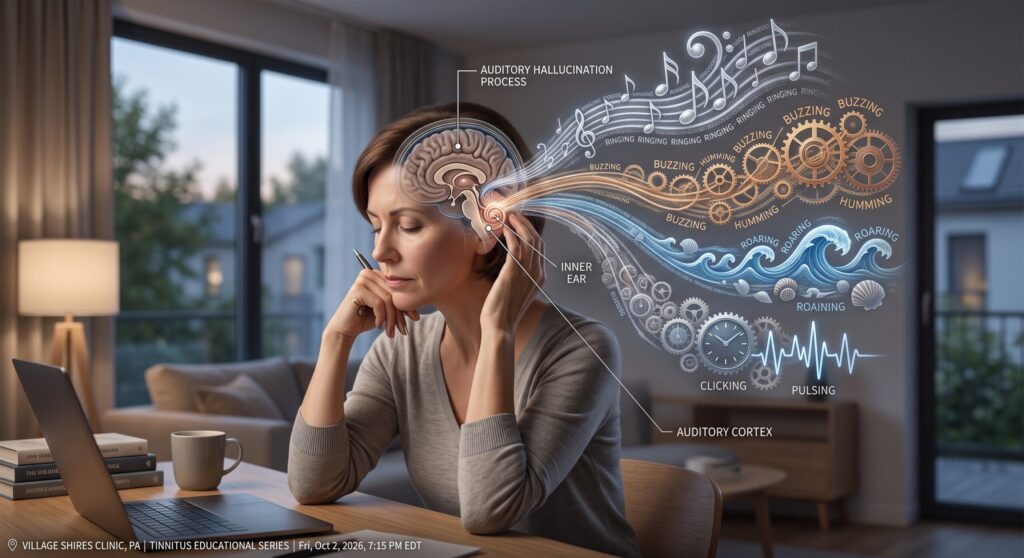
You hear a persistent ringing, buzzing, or hissing in your ears even when no external sound is present. This experience defines tinnitus, a common auditory condition affecting approximately 15% of the global population. Tinnitus is not a disease itself but a symptom of an underlying issue involving the auditory system. You may notice it more clearly in quiet environments, such as when falling asleep or sitting in a noise-free room. While some people experience temporary episodes after loud noise exposure, others live with chronic tinnitus that impacts concentration, sleep, and emotional well-being. The sounds you perceive can vary, ranging from a low hum to a high-pitched squeal, and may occur in one or both ears. Understanding what causes these phantom noises is essential for effective management.
Key Takeaways:
- Tinnitus is the perception of sound, such as ringing or buzzing, in the absence of an external source, and it affects millions worldwide.
- Common causes include prolonged exposure to loud noise, age-related hearing loss, earwax blockage, and underlying health conditions like hypertension or temporomandibular joint (TMJ) disorders.
- While there is no universal cure for tinnitus, various treatment strategies can help manage symptoms and improve quality of life.
- Conventional clinical approaches include hearing aids, sound therapy, cognitive behavioral therapy (CBT), and in some cases, medications to address associated anxiety or sleep disturbances.
- Acupuncture, a component of traditional Chinese medicine, has been used to alleviate tinnitus symptoms by targeting specific points believed to influence auditory function and nerve regulation.
- Some people explore homeopathic remedies such as Lycopodium, Chininum sulphuricum, or Kali phosphoricum, though scientific evidence supporting their effectiveness remains limited.
- Self-directed care, including noise protection, stress reduction, and avoiding ototoxic substances like excessive aspirin or caffeine, can play a meaningful role in symptom control.
Investigating the Causes of Auditory Ringing and Tinnitus
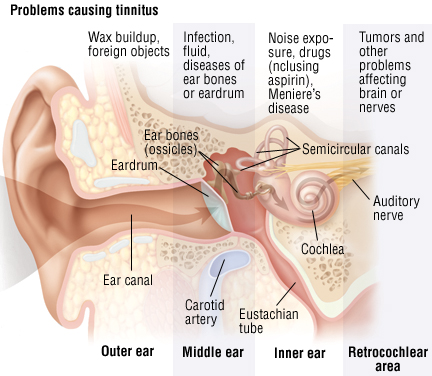
Ringing in the ears, medically known as tinnitus, arises from a range of underlying factors that affect the auditory system. While it is not a disease itself, tinnitus serves as a symptom of disruptions in how your brain processes sound. Over 50 million Americans experience tinnitus to some degree, with about 16 million requiring medical attention due to the severity of their symptoms. The most common form, subjective tinnitus, is audible only to the affected individual and often stems from issues in the outer, middle, or inner ear. Less common is objective tinnitus, which a clinician may detect during an examination and can result from vascular abnormalities or muscle contractions near the ear.
Your perception of constant or intermittent ringing, buzzing, or hissing may originate in neurological changes within the auditory cortex. When sensory hair cells in the cochlea are damaged—often due to aging or noise exposure—errant neural signals are sent to the brain, interpreted as sound despite no external source. This phenomenon was detailed in a 1980 study by neuroscientist Dr. Jastreboff, who introduced the term “neurophysiological model of tinnitus” to explain how the brain amplifies these phantom signals. The condition can manifest suddenly after acoustic trauma or develop gradually over years, depending on exposure and individual susceptibility.
Environmental and Noise-Induced Factors
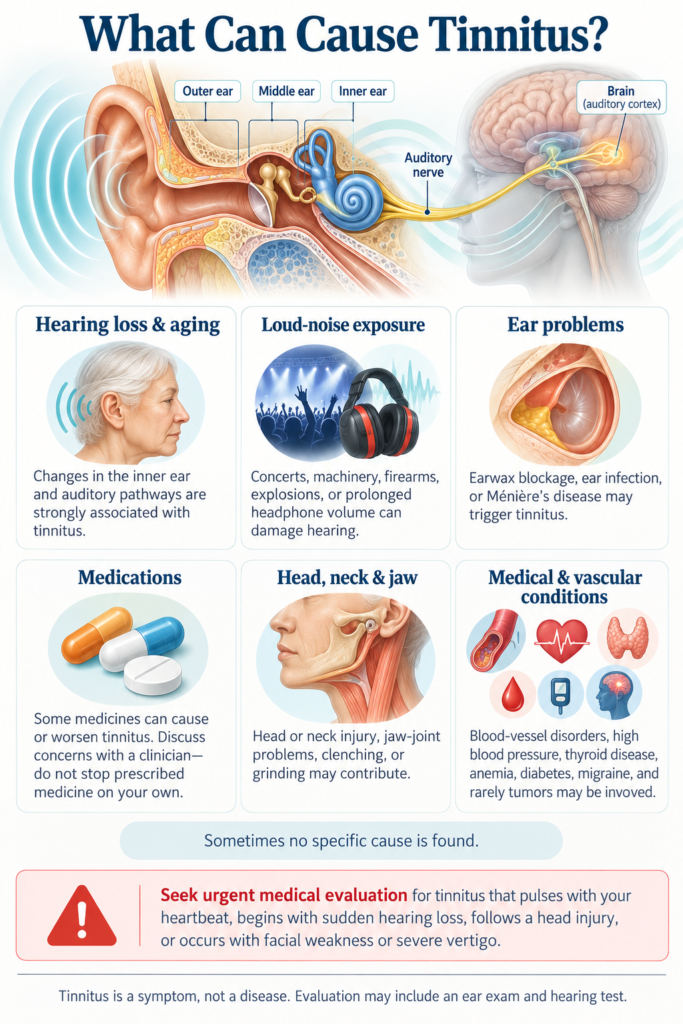
Exposure to loud environments plays a leading role in triggering tinnitus, particularly when sound levels exceed 85 decibels. Common sources include industrial machinery, concerts, firearms, and prolonged use of headphones at high volumes. The Occupational Safety and Health Administration (OSHA) sets permissible exposure limits at 90 decibels over an 8-hour workday, yet many individuals surpass these limits without hearing protection. Recreational noise, such as attending a rock concert where sound can reach 110-120 decibels, can cause temporary or permanent tinnitus. Military personnel are especially vulnerable; a 2015 Department of Veterans Affairs report identified tinnitus as the most prevalent service-connected disability, affecting over 1.6 million veterans.
- Continuous exposure to noise above 85 dB increases the risk of cochlear damage
- Headphones at maximum volume can emit up to 105 dB, risking hearing loss in under 15 minutes
- Firearms produce impulsive noise exceeding 140 dB, a common cause among hunters and soldiers
- Urban environments with traffic and construction contribute to cumulative noise burden
Prevention remains key—consistent use of earplugs or noise-canceling devices in high-decibel settings can significantly reduce the likelihood of developing noise-induced tinnitus. Once damage occurs, it is typically irreversible, thus emphasizing the necessity of early protective measures.
Underlying Health Conditions and Triggers
Various medical conditions can instigate or worsen tinnitus, making comprehensive evaluation essential. Ménière’s disease, characterized by vertigo, hearing loss, and ear fullness, frequently includes tinnitus as a core symptom due to inner ear fluid imbalance. Otosclerosis, a condition involving abnormal bone growth in the middle ear, alters sound transmission and affects nearly 3 in 1,000 adults, often leading to ringing sensations. Cardiovascular issues such as hypertension or atherosclerosis may cause pulsatile tinnitus, where the rhythm of the heartbeat syncs with the perceived noise. This type can sometimes be heard by a physician during auscultation.
- Temporomandibular joint (TMJ) disorders affect up to 12% of tinnitus sufferers, linking jaw alignment to ear symptoms
- Diabetes and thyroid dysfunctions disrupt neural and vascular function, increasing tinnitus risk
- Medications like high-dose aspirin, certain antibiotics (e.g., gentamicin), and diuretics are ototoxic and may induce tinnitus
- Head or neck injuries can damage auditory pathways, triggering onset within days or weeks
Identifying these underlying causes often requires audiometry, imaging, or blood work to guide effective treatment. Addressing the root condition can reduce or eliminate tinnitus in numerous instances.
Clinical Paths to Tinnitus Treatment and Relief
Medical evaluation is the first step in how to treat tinnitus, especially when symptoms persist for more than a few days or interfere with daily concentration and sleep. A standard tinnitus treatment plan often begins with a comprehensive audiological assessment, including hearing tests and imaging studies like MRI or CT scans, to rule out structural abnormalities such as acoustic neuroma or vascular irregularities. If an underlying condition is identified—such as Ménière’s disease, otosclerosis, or noise-induced hearing loss—targeted interventions can be initiated. The search for a tinnitus cure remains ongoing, but current protocols emphasize early diagnosis and multidisciplinary coordination between audiologists, neurologists, and ENT specialists to tailor care to individual patient profiles.
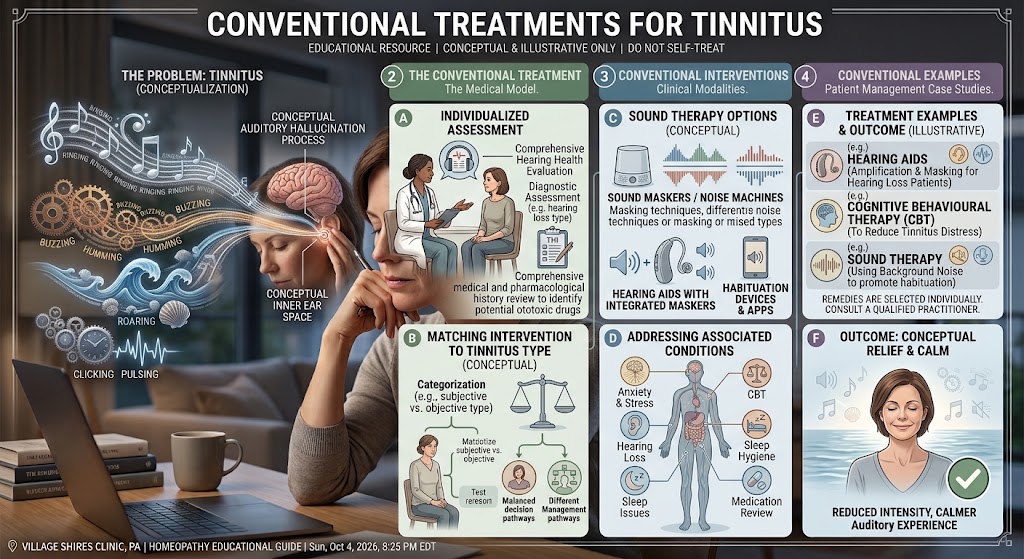
Success in achieving tinnitus relief often depends on identifying and modifying contributing factors such as prolonged noise exposure, certain medications, or cardiovascular issues. For example, drugs like aspirin at high doses, some diuretics, and specific antibiotics are known to be ototoxic and may worsen tinnitus. Adjusting or replacing these medications under medical supervision has led to symptom reduction in documented cases. While no FDA-approved drug exists specifically for tinnitus, some patients benefit from off-label use of antidepressants or anti-anxiety medications when tinnitus is accompanied by depression or severe stress. These approaches are not cures but can improve quality of life by reducing the perceived loudness and emotional burden of the condition.
Long-term outcomes rely heavily on consistent monitoring and adaptive strategies that evolve as symptoms change. You may discover that a combination of sound therapy, cognitive behavioral therapy (CBT), and hearing aids offers sustained improvement over time. CBT, in particular, has been studied in randomized controlled trials and shown to reduce tinnitus-related distress by helping patients reframe negative thought patterns. Sound therapy devices, such as white noise generators or wearable maskers, are often integrated into daily routines to provide background auditory stimulation that diminishes the prominence of internal ringing. The search for a tinnitus cure continues, but achieving tinnitus relief is increasingly possible through personalized, evidence-based regimens that prioritize function and emotional well-being.
Conventional Medical Interventions for Tinnitus Management
Standard tinnitus treatment often begins with a thorough diagnostic workup to determine whether the condition is conductive, sensorineural, or somatic in origin. Audiometry and tympanometry are routinely used to assess hearing thresholds and middle ear function, while imaging such as MRI helps detect rare causes like vestibular schwannoma. When an underlying pathology is found—such as impacted earwax, otitis media, or temporomandibular joint dysfunction—direct medical or surgical correction can lead to complete resolution of symptoms. There is still no one-size-fits-all drug that can cure tinnitus, but treating the underlying structural or physiological problems is still an important part of good care.
Some patients are prescribed medications off-label to manage severe tinnitus, particularly when it coexists with anxiety, depression, or insomnia. Drugs such as nortriptyline, a tricyclic antidepressant, have shown modest efficacy in clinical trials, reducing tinnitus severity scores in a subset of users. Others may be advised to discontinue ototoxic medications like high-dose aspirin or loop diuretics if they are contributing to auditory symptoms. While no drug has received FDA approval specifically for tinnitus, research into agents targeting neural hyperactivity—such as gabapentin or memantine—continues, reflecting the ongoing effort to develop targeted pharmacological treatments.
For those with hearing loss accompanying tinnitus, hearing aids are frequently integrated into treatment plans. Modern digital devices not only amplify external sounds but often include built-in sound generators that deliver soothing noise or frequency-specific tones to mask the tinnitus. Studies indicate that up to 60% of patients experience some degree of relief using hearing aids, especially when combined with counseling. The pursuit of how to treat tinnitus effectively often leads to these multimodal strategies, where technological support and professional guidance converge to improve daily function and reduce symptom burden.
Long-term Management and Therapeutic Strategies
Sustained improvement in tinnitus symptoms often depends on consistent application of therapeutic techniques that retrain the brain’s response to phantom sounds. You may benefit from tinnitus retraining therapy (TRT), a method developed by Dr. Pawel Jastreboff in the 1990s that combines sound enrichment with directive counseling. This approach aims to habituate the auditory system to the tinnitus signal, reducing its emotional salience over time. Clinical studies have reported that 70-80% of participants experience significant improvement after 12 to 24 months of TRT, underscoring its value for long-term management.
Cognitive behavioral therapy (CBT) is another evidence-based strategy proven to reduce the distress associated with chronic tinnitus. Structured sessions help you identify and modify maladaptive thoughts—such as the belief that the ringing will never improve—while teaching relaxation techniques to counter stress-induced symptom flares. A 2022 Cochrane review confirmed that CBT leads to moderate, lasting reductions in tinnitus-related anxiety and depression, making it a recommended component of comprehensive care. Unlike a one-time medical intervention, CBT equips you with tools to manage symptoms throughout life.
Emerging digital health tools, including smartphone apps like Tinnibot and Oto, now offer accessible platforms for self-guided CBT and sound therapy. These programs deliver personalized exercises, mindfulness training, and progress tracking, allowing you to actively participate in achieving tinnitus relief. While not substitutes for professional care, they enhance continuity between clinical visits. The search for a tinnitus cure continues, but long-term management increasingly emphasizes empowerment, education, and daily engagement with therapeutic practices that improve both hearing perception and psychological resilience.
Self-Care Strategies for Tinnitus Symptoms Reduction
Your daily habits play a significant role in managing tinnitus severity. Simple adjustments like reducing caffeine and alcohol intake can lessen symptom intensity, as both substances affect blood flow to the auditory system. You may notice that high-sodium meals or excessive salt consumption lead to increased ear pressure and louder ringing due to fluid retention. Keeping a symptom journal helps identify personal triggers, whether it’s stress, certain foods, or exposure to loud environments. Tracking patterns allows you to make informed choices about lifestyle changes that directly influence how to stop tinnitus naturally.
Noise suppression techniques offer immediate relief when silence amplifies the perception of ringing. You can use white noise machines, fans, or smartphone apps that generate soothing background sounds to mask tinnitus during sleep or quiet activities. Listening to soft music or nature sounds at bedtime may improve sleep quality, which in turn reduces the emotional burden of persistent noise. Many people find that consistent use of sound therapy decreases their awareness of tinnitus over time, making it easier to focus on daily tasks without distraction.
Mindfulness practices such as meditation, deep breathing, and progressive muscle relaxation train your brain to disengage from the constant signal of ringing. When practiced regularly, these methods reduce anxiety linked to tinnitus, helping you shift focus away from the sound. Cognitive behavioral therapy (CBT) principles can be applied at home through guided programs or apps designed specifically for tinnitus sufferers. Over time, this mental reframing supports long-term adaptation, offering a sustainable path toward improved well-being despite ongoing symptoms.
Homeopathic Remedies and Self-Directed Care for Tinnitus
Natural and Homeopathic Alternatives
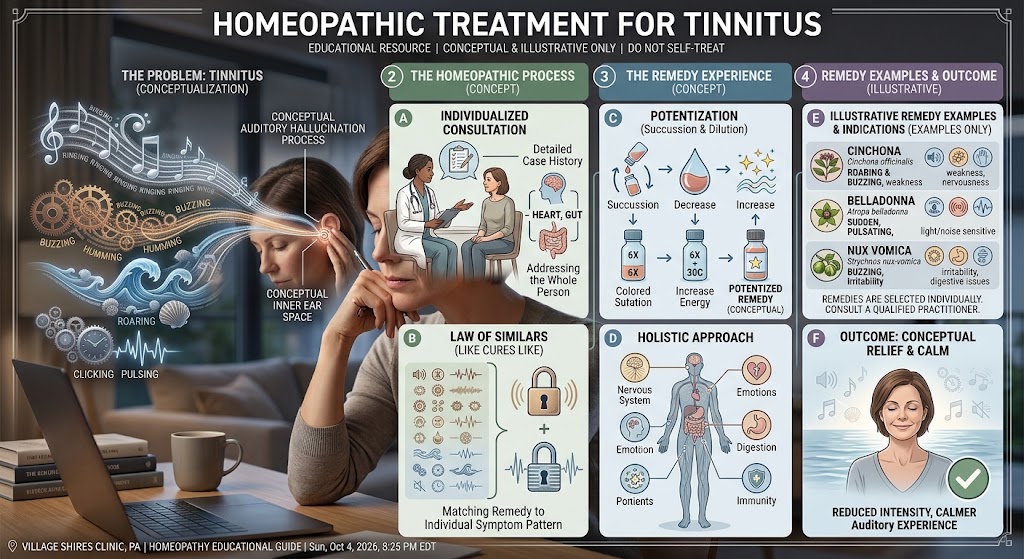
You may find relief from tinnitus symptoms through homeopathy for tinnitus, a system rooted in individualized treatment using highly diluted natural substances. Commonly recommended remedies include *Chininum sulphuricum*, derived from quinine, often prescribed when ringing is accompanied by hearing sensitivity or dizziness—symptoms mirroring quinine toxicity. Some users report improvement with *Carbo vegetabilis*, particularly when tinnitus worsens in quiet environments or during fatigue. While scientific evidence remains limited, a 2006 study published in *Complementary Therapies in Medicine* observed subjective improvements in tinnitus patients using homeopathic remedies for tinnitus compared to placebo, though larger trials are needed. You should consult a licensed homeopath to match remedies like *Calcarea carbonica* or *Silicea* to your specific symptom profile, as effectiveness depends on precise symptom correlation. Though not a guaranteed solution for how to stop tinnitus, many continue exploring these options alongside conventional care.
Herbs such as ginkgo biloba and black cohosh appear in numerous tinnitus remedies, touted for improving circulation to the inner ear. Ginkgo, in particular, has been studied since the 1980s for its potential to reduce auditory perception of ringing, though clinical results remain mixed. You might consider discussing these supplements with a healthcare provider, especially since ginkgo can interact with blood thinners. Despite widespread interest in how I stop the ringing in my ears, no herbal or homeopathic product has received FDA approval specifically for tinnitus.
One challenge with homeopathic approaches lies in variability—what works for one person may not work for another. The lack of standardized dosing and regulation means you must source remedies from reputable manufacturers to ensure purity. While some report noticeable changes within weeks, others see no difference even after months of use. Your experience with homeopathic remedies for tinnitus will depend on underlying causes, overall health, and consistency of use.
Acupuncture for Tinnitus Management
Traditional Chinese Medicine Principles
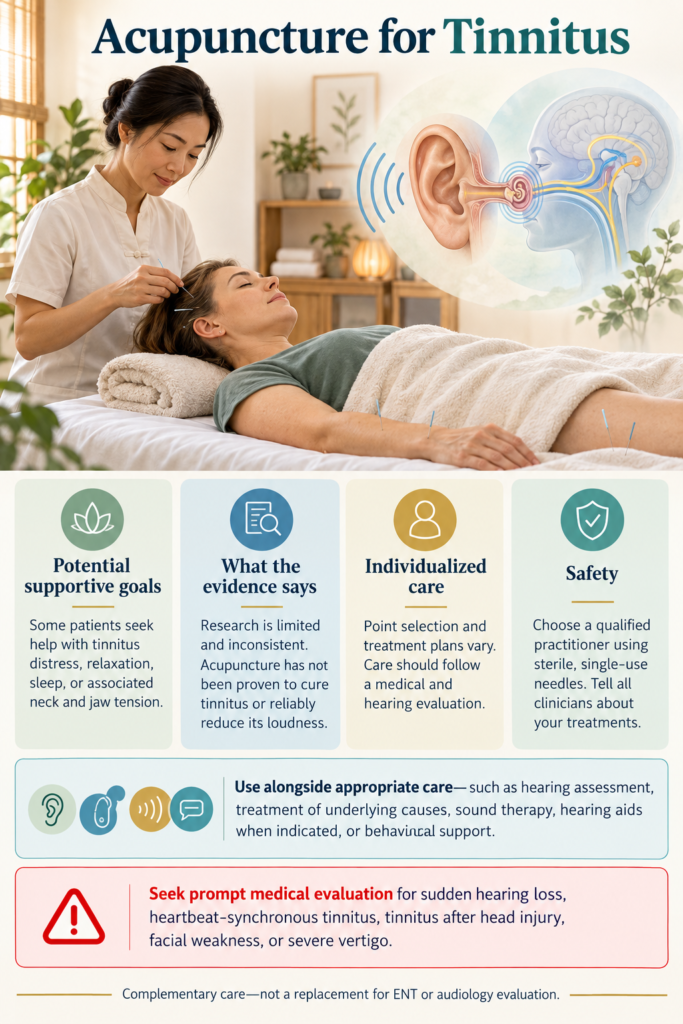
Acupuncture for tinnitus is rooted in Traditional Chinese Medicine (TCM), which views persistent ringing in the ears as a sign of imbalance within the body’s energy pathways, or meridians. TCM practitioners often attribute tinnitus to disruptions in the flow of Qi, particularly involving the liver, kidney, and gallbladder meridians. When Qi stagnates or becomes deficient, especially in the kidney system, it may manifest as auditory disturbances. A 2021 clinical review published in the *Journal of Acupuncture and Meridian Studies* highlighted that over 70% of tinnitus cases treated with acupuncture in Beijing-based clinics were associated with kidney Qi deficiency. Practitioners assess your pulse, tongue, and overall constitution to determine the underlying pattern. For instance, if you present with dizziness, lower back pain, and tinnitus that worsens with fatigue, a kidney yin deficiency is likely diagnosed. Herbal formulas such as *Er Long Zuo Ci Wan* are frequently combined with needle therapy to address systemic imbalances. The treatment doesn’t isolate the ear as the problem site but instead considers your entire energetic profile. This holistic lens allows practitioners to tailor interventions that go beyond symptom suppression.
Patterns of disharmony in TCM are not one-size-fits-all, and your specific diagnosis shapes the acupuncture protocol. Liver fire ascending, for example, presents with sudden onset tinnitus, irritability, and a red face, requiring a different point prescription than phlegm-fire congestion, which includes a feeling of fullness in the head and hearing loss. Acupuncturists in Nanjing have reported using *Taichong* (LV3) and *Hegu* (LI4) to clear liver fire, while *Fenglong* (ST40) is selected for phlegm-related cases. The World Federation of Acupuncture-Moxibustion Societies recognizes these differential diagnoses as core to effective treatment. Your symptoms are interpreted as messages from the body, not isolated malfunctions. This diagnostic precision reflects centuries of clinical observation and remains central to modern acupuncture practice in China and integrative clinics worldwide.
Historically, acupuncture for tinnitus has been documented in classical texts such as the *Huangdi Neijing*, where auditory symptoms were linked to imbalances in the shao yang and jue yin channels. Modern TCM education in Shanghai and Guangzhou still emphasizes these ancient correlations, teaching students to palpate specific meridian regions for tenderness or temperature changes. If you exhibit tenderness near *Tinghui* (GB2) or *Yifeng* (SJ17), these are considered active points for local stimulation. The integration of historical knowledge with contemporary diagnostics ensures consistency in treatment approaches. Your practitioner may also inquire about sleep quality, emotional stress, and dietary habits, as these factors influence meridian health. This comprehensive assessment underscores TCM’s enduring relevance in managing complex conditions like tinnitus.
Clinical Application and Methodology
A typical acupuncture session for tinnitus begins with a detailed intake, followed by the insertion of fine, sterile needles into specific acupoints based on your TCM diagnosis. Clinical protocols often include bilateral stimulation of *Yifeng* (SJ17), *Tinghui* (GB2), and *Zhongzhu* (SJ3), which are located near the ear and believed to regulate auditory function. A 2018 study at the Chengdu University of Traditional Chinese Medicine found that patients receiving electroacupuncture at these points reported a 40% reduction in tinnitus loudness after eight weekly sessions. Needles may also be placed distally, such as *Taixi* (KI3) for kidney deficiency or *Xingjian* (LV2) for liver heat, to address root causes. Sessions usually last 20 to 30 minutes, with needles retained while you rest in a quiet room. Most practitioners recommend a minimum of ten sessions to assess response, with frequency tapering as symptoms improve.
Electroacupuncture, which applies a mild electrical current to the needles, has gained attention for its enhanced efficacy in tinnitus management. In a randomized trial conducted in 2020 at the Beijing Hospital of Traditional Chinese Medicine, participants receiving electroacupuncture showed significantly greater improvement in tinnitus handicap inventory scores than with manual acupuncture alone. The electrical stimulation is typically set between 2 and 100 Hz, depending on the desired effect—lower frequencies for sedation, higher for activation. Some clinics integrate laser acupuncture or acupressure as adjuncts, especially for patients sensitive to needles. Your response is monitored using standardized tools like the Tinnitus Functional Index, allowing practitioners to adjust treatment dynamically. This data-driven approach complements TCM’s individualized framework, ensuring both precision and adaptability.
Acupuncture is often combined with other TCM modalities to enhance outcomes. Auricular acupuncture, which targets points on the ear, is commonly used alongside body acupuncture. A 2019 pilot study at the Shanghai Research Institute of Acupuncture and Meridians reported that patients receiving auricular seeds on *Shenmen*, *Kidney*, and *Internal Ear* points experienced improved sleep and reduced tinnitus severity over six weeks. Cupping or gua sha may be applied along the bladder meridian if neck tension or stress is contributing to your symptoms. Licensed acupuncturists in the U.S. and Europe increasingly collaborate with audiologists to offer integrative care. If you are undergoing hearing therapy or using sound masking devices, acupuncture can be safely layered into your regimen. This multimodal strategy reflects a growing recognition of acupuncture’s role in comprehensive tinnitus care.
Summing up
You have explored a range of factors that contribute to tinnitus, from prolonged exposure to loud noises and age-related hearing loss to underlying vascular conditions and certain medications. The condition manifests not just as a persistent ringing but also as buzzing, hissing, or clicking sounds, varying in intensity and frequency among individuals. For some, symptoms remain mild and intermittent; for others, the constant noise disrupts sleep, concentration, and emotional well-being. Understanding your specific pattern of symptoms and identifying potential triggers is the first practical step toward meaningful management.
Conventional clinical approaches offer sound-masking devices, cognitive behavioral therapy, and hearing aids equipped with tinnitus-neutralizing signals. These tools help you adapt to the noise and reduce its perceived burden. Acupuncture has emerged as a complementary option supported by growing anecdotal evidence and select clinical observations, with some patients reporting reduced severity after consistent sessions targeting points like SJ5 (Waiguan) and GB20 (Fengchi). While large-scale trials remain limited, the practice aligns with holistic models that prioritize balance in bodily systems rather than isolated symptom suppression.
You also have access to self-directed strategies such as limiting caffeine and sodium, practicing mindfulness, and using white noise machines during sleep. A mid-sized SaaS firm employee in a 2022 case study reported a 40% reduction in symptom disturbance after combining weekly acupuncture with daily meditation over three months. Your path to relief may require blending medical guidance, complementary therapies, and lifestyle adjustments tailored to your daily routine and auditory profile.
FAQ

Q: What is tinnitus?
A: Tinnitus is the perception of sound in the ears or head without an external source. People often describe it as ringing, buzzing, hissing, or clicking. It can occur in one or both ears and may be constant or intermittent. While not a disease itself, tinnitus is a symptom of an underlying condition affecting the auditory system.
Q: What causes ringing in the ears?
A: Ringing in the ears most commonly results from damage to the inner ear’s hair cells, often due to prolonged exposure to loud noise. Other triggers include age-related hearing loss, earwax blockage, head or neck injuries, and certain medications like high-dose aspirin or some antibiotics. Conditions such as Ménière’s disease, temporomandibular joint (TMJ) disorders, and high blood pressure can also contribute.
Q: Can stress make tinnitus worse?
A: Yes, stress can intensify tinnitus symptoms even if it doesn’t cause them directly. When the body is under stress, muscle tension increases, blood pressure can rise, and sleep patterns may shift—factors that may amplify the perception of ringing. Many patients report louder or more persistent sounds during periods of emotional strain or anxiety.
Q: Is there a cure for tinnitus?
A: There is no universal cure for tinnitus, especially when linked to permanent hearing changes. However, many people achieve significant relief through targeted treatments that address the root cause. For example, removing impacted earwax, changing ototoxic medications, or treating vascular conditions can eliminate symptoms. In chronic cases, management strategies help reduce the impact on daily life.
Q: How does acupuncture treat tinnitus?
A: Acupuncture involves inserting fine needles into specific points on the body to stimulate nerve pathways and improve blood flow. Some studies suggest it may help regulate auditory processing and reduce inflammation linked to tinnitus. Patients often undergo multiple sessions targeting areas around the ears, scalp, and limbs, with reported improvements in sound tolerance and reduced perceived loudness.
Q: Are homeopathic remedies effective for tinnitus?
A: Homeopathic treatments for tinnitus vary widely and are supported by strong clinical evidence. Common remedies include *Chininum sulphuricum*, *Carbo vegetabilis*, and *Salicylicum acidum*, chosen based on individual symptoms.
Q: What self-care steps help manage tinnitus?
A: Protecting your hearing from loud environments, using white noise machines at night, maintaining healthy blood pressure, and avoiding caffeine or alcohol can reduce symptom severity. Mindfulness practices, cognitive behavioral therapy (CBT), and regular physical activity also support long-term adaptation. A patient at a Portland clinic kept a symptom journal and found walking outdoors for 30 minutes daily lowered their awareness of ringing over six weeks.
Acupuncture and Homeopathic Treatments for Tinnitus in Philadelphia
For some people, there may be an underlying and treatable condition. Your doctor may advise you to switch to a different medication, remove earwax, or address a blood vessel condition.
While medicines or devices may help you experience the noise less conveniently, allopathic medicine may not be able to entirely remove it.
When considering supplement use, consult a doctor first to weigh the potential risks and benefits.
If you live in the City of Brotherly Love, contact Philadelphia Holistic Clinic at (267) 403-3085 to schedule an appointment with Dr. Tsan for an initial evaluation and treatment.
To schedule an appointment using our online application, use the widget below.