
Walking into a traditional Chinese medicine practitioner’s office for the first time can feel different from a typical medical appointment. Instead of a quick exam, you may sit for a detailed conversation about your daily habits, your digestion, your sleep, and even your emotional state. A practitioner will likely look at your tongue, check your pulse, and ask questions that seem unrelated to the symptom that brought you in. This approach reflects a healing system that has been refined over thousands of years, and it treats each person as a whole rather than as a collection of isolated symptoms.
Traditional Chinese medicine, often called TCM, is used by millions of people around the world. Its practitioners draw on several distinct therapies, including acupuncture, herbal medicine, acupressure, breathing techniques, tai chi, and dietary guidance. If you have booked an appointment or are simply curious about the process, knowing what to expect can help you feel prepared and get more value from your visit.
Understanding Traditional Chinese Medicine
Traditional Chinese medicine is not a single treatment. It is a complete system of healing with roots that stretch back more than 5,000 years. In China, doctors have practiced TCM for thousands of years, and its philosophy is closely tied to ancient Taoist ideas about balance, energy, and the relationship between the body and the natural world.
Over time, TCM has changed and absorbed new knowledge, but its core principles remain consistent. Practitioners view health as a state of harmony within the body. When that harmony is disturbed, illness can appear. The goal of a TCM practitioner is to identify the underlying imbalance and restore the body’s natural state of well-being.
Modern TCM practitioners may combine ancient wisdom with contemporary clinical training. Because the approaches used in TCM, such as acupuncture, tai chi, and herbal products, have been the subjects of many clinical studies and scientific reviews, there is a growing body of research examining how these therapies work and when they may be most helpful.
Your First Appointment: History, Tongue, and Pulse
One of the most distinctive parts of a visit to a traditional Chinese medicine practitioner is the initial assessment. Instead of relying only on lab tests or imaging, the practitioner completes an evaluation based on your patient history, your tongue, and your pulse. These three sources of information help the practitioner understand what is happening inside your body from a TCM perspective.
The conversation can be thorough. You may be asked about your energy levels, sleep patterns, appetite, digestion, stress, and even the temperature of your hands and feet. Your answers help the practitioner build a detailed picture of your overall health, not just the specific complaint that motivated your visit.
Next, the practitioner will examine your tongue. In TCM, the tongue is seen as a map of the body, and its color, shape, coating, and moisture can offer clues about internal conditions. The pulse is equally important. A TCM practitioner feels the pulse at the wrist in a way that is far more detailed than a standard check of heart rate. By assessing the quality, depth, and rhythm of the pulse at different positions, the practitioner gathers additional information about your organ systems and energy balance.
Once the assessment is complete, the diagnosis guides the treatment plan. This plan may involve one therapy or a combination of several, depending on your needs and the practitioner’s training.
Therapies a Traditional Chinese Medicine Practitioner May Use
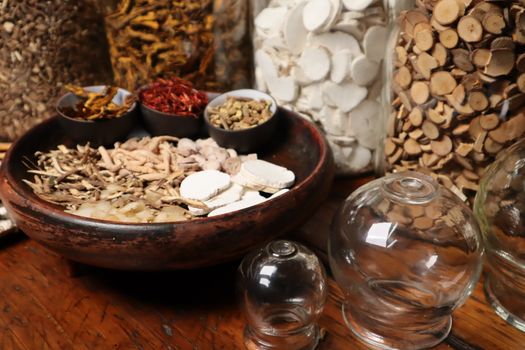
TCM encompasses many different practices, and a single practitioner may offer several of them. Your individualized treatment plan could include acupuncture, herbal products, acupressure, breathing exercises, tai chi, dietary therapy, or bodywork. Here is what some of the most common therapies look like in practice.
Acupuncture
Acupuncture is perhaps the most widely recognized TCM therapy. It involves the insertion of very thin metal needles along specific points on the body. The needles are typically much thinner than the needles used for injections or blood draws, and most patients feel little or no discomfort when they are placed.
The practitioner selects points based on the diagnosis from your initial assessment. Once the needles are in place, they may remain for a period of time while you rest. Many people describe the experience as deeply relaxing. Acupuncture is often used to address pain, digestive issues, stress, and a range of other health concerns.
Chinese Herbal Medicine
Herbal medicine is a cornerstone of traditional Chinese medicine. Practitioners may recommend customized formulas made from an assortment of herbs, which can be taken as teas, powders, pills, or tinctures. The herbs are chosen to match your specific pattern of imbalance, so two people with the same diagnosis may receive very different formulas.
Because herbs can interact with prescription medications and other supplements, it is important to tell your TCM practitioner about everything you are taking. A certified practitioner is trained to recognize potential interactions and adjust formulas accordingly.
Acupressure and Bodywork
Not all TCM treatments require needles. Acupressure applies pressure to the same points used in acupuncture, making it a useful option for people who prefer a needle-free approach. Bodywork, including massage techniques rooted in Chinese medicine, is also part of the broader TCM toolkit. These hands-on therapies are designed to release tension, improve circulation, and support the body’s natural healing processes.
Tai Chi, Qigong, and Breathing Techniques
Movement is a central pillar of Chinese medicine. Tai chi and qigong are gentle mind-body practices that combine slow, deliberate movements with focused breathing. They are sometimes prescribed as home practice between visits, giving patients an active role in their own recovery.
Breathing techniques may also be taught during an appointment. These exercises can calm the nervous system and are often recommended for stress-related conditions. A practitioner may demonstrate the movements and then ask you to practice them at home on a regular basis.
Dietary Therapy
Food is viewed as medicine in traditional Chinese medicine. Dietary therapy considers not only what you eat, but how foods affect your body temperature, digestion, and energy. Your practitioner may suggest adding certain foods, avoiding others, or changing the way you prepare meals. These recommendations are tailored to your constitutional pattern and are meant to complement the rest of your treatment plan.

Finding a Qualified Traditional Chinese Medicine Practitioner
Because TCM includes powerful therapies and herbs, choosing a qualified practitioner is important. The safest option is to work with someone who has completed an accredited training program and earned certification from the National Certification Commission for Acupuncture and Oriental Medicine, commonly known as NCCAOM. This organization offers a search tool that allows you to find certified TCM practitioners by zip code, which can be a helpful starting point if you are looking for a provider near you.
Training to become a Chinese medicine practitioner is rigorous. Programs combine the study of classical texts with clinical instruction in acupuncture, Chinese herbal medicine, and other modalities. Many schools emphasize a scholar-practitioner model in which students work closely with experienced faculty in both the classroom and the clinic. Some programs even offer extended clinical rotations in acupuncture, giving students the opportunity to observe and treat patients under supervision.
When you meet a practitioner for the first time, do not hesitate to ask about their education, certification, and experience. A reputable practitioner will be happy to discuss their credentials and explain how their approach applies to your situation.
What Research Says About TCM
Research on traditional Chinese medicine continues to grow. Some psychological and physical approaches used in TCM, such as acupuncture and tai chi, show promise for improving well-being and addressing certain health conditions. Scientific reviews have examined these therapies for a wide range of uses, and many people find them helpful as part of a broader health plan.
It is also wise to treat TCM as one part of an integrated approach to health. Tell your primary care provider about any TCM therapies you are using, and tell your TCM practitioner about any conventional treatments or medications you are taking. Open communication between all of your providers helps ensure that every aspect of your care is safe and coordinated.
Frequently Asked Questions
Is a traditional Chinese medicine practitioner the same as a medical doctor?
No. In many countries, traditional Chinese medicine practitioners complete specialized training and earn certification, but they are not medical doctors unless they hold a separate medical degree. Certification from the National Certification Commission for Acupuncture and Oriental Medicine indicates that a practitioner has met national standards in TCM. If you have a serious or undiagnosed condition, you should still consult a primary care provider.
How do I find a qualified traditional Chinese medicine practitioner?
The National Certification Commission for Acupuncture and Oriental Medicine offers a search tool that lets you find certified TCM practitioners by zip code. This is a reliable way to identify practitioners who have met national certification standards. Before booking an appointment, you can also ask the office about the practitioner’s training, experience, and the specific therapies they provide.
What conditions do TCM practitioners treat?
TCM practitioners help people with a wide variety of health concerns. Acupuncture, tai chi, and other TCM approaches have been studied for issues such as pain, stress, digestive complaints, and overall well-being. Rather than treating a diagnosis in isolation, a TCM practitioner looks at the whole person and addresses the underlying patterns that may be contributing to symptoms. Many patients use TCM alongside conventional care.
What should I bring to my first TCM appointment?
You should bring a list of your current medications, supplements, and any relevant medical records or test results. Because the initial assessment includes a detailed conversation about your history, digestion, sleep, and energy, it also helps to come with a clear sense of the concerns you want to address. Wear comfortable clothing in case the practitioner recommends movement practices or needs access to acupuncture points. Ask your practitioner about specific preparation steps before your visit.
Your first appointment with a traditional Chinese medicine practitioner is an opportunity to experience a different way of understanding your health. The process begins with close observation and conversation, and the resulting treatment plan is created around your unique patterns and needs. With the right practitioner, TCM can become a meaningful part of your overall wellness routine.